Region
Kakheti
2,325 wines in the catalogue
Independent guide to Georgian wine
Estate
Own grapes, own winemaking and bottling — all confirmed by sources.
getwine's classification, not a legal or tax status · How we classify →
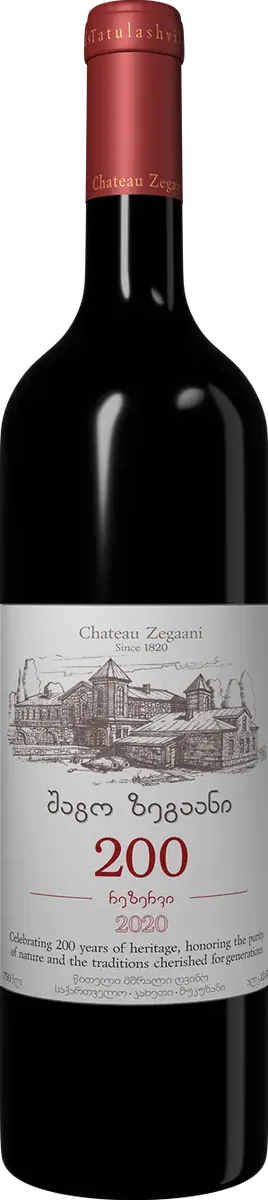
Zegaani · Kakheti · Dry
Only you can see your marks and ratings.
Made using the traditional qvevri method, aged in a qvevri; alcohol 13.6%. According to the winery: 48 months of ageing; decanting for 60 minutes; no added sulfites. Saperavi from Zegaani: a dry red Georgian wine. Produced by Château Zegaani. Declared: organic.
What sets it apart
What the bottle actually is.
Comparable values, collected the same way for every wine in the catalogue. Anything we do not know is left empty.
How to serve it, and what to expect in the glass.
Glass, temperature, food and occasion are catalogue suggestions, chosen mainly by the wine's colour, sweetness and tannin, not taken from reviews of it.
Glass
Tall bowl with a narrowing rim: gathers the aroma and softens the alcohol — the shape for dense, tannic reds.
How glass shapes differServing temperature
16–18 °C
Decant for 60 minutes
High tannin needs fatty protein: grilled meat, lamb, aged cheese.
Aroma and taste
Aroma
Taste
Hue
Goes well with
What it costs, where, and how that moved.
Offers on record
0 shops
No shop prices found yet
Shelf price over time
Not enough observations for a trend yet — the chart appears once prices have been collected for several weeks.
Who made it, and what they are.
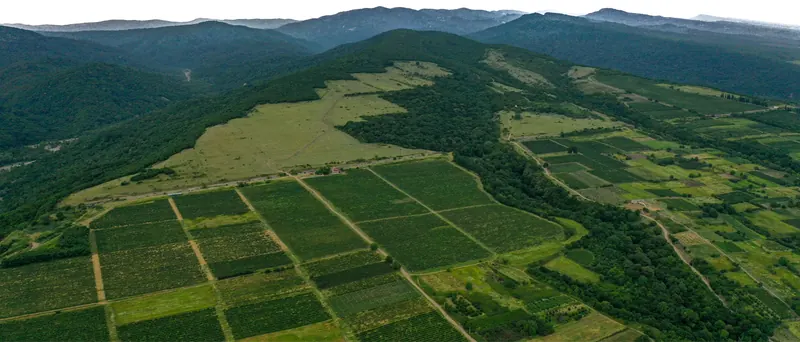
Where the grapes were grown.
On the map
All regionsMedals, with the competition and the year attached.
A medal on its own is decoration. Each one here carries the competition, the year and the weight of that competition.
No awards on record
We do not invent recognition. When a competition publishes results for this wine, they appear here with the year and the weight of the competition.
The season, vintage by vintage.
What the season was like in Zegaani compared with the previous decade.
Zones sharing this grid cell: 3. Their weather does not differ in this data — the grid is coarser than the zones. Weather explains what the season was like; it does not rate the wine or say when to open it.
How vintage weather is calculatedClose in style, not in price.
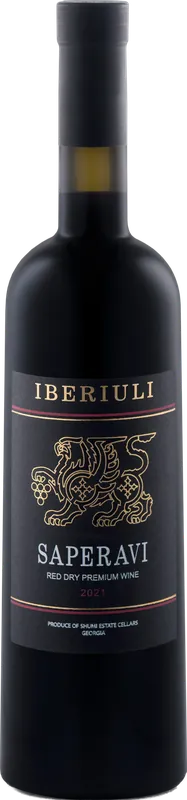
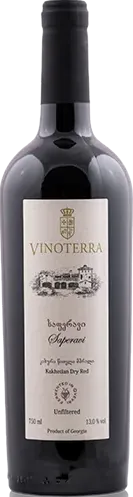
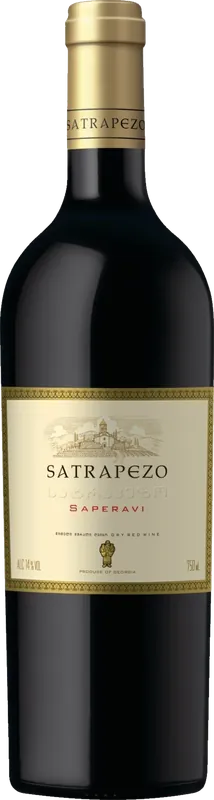
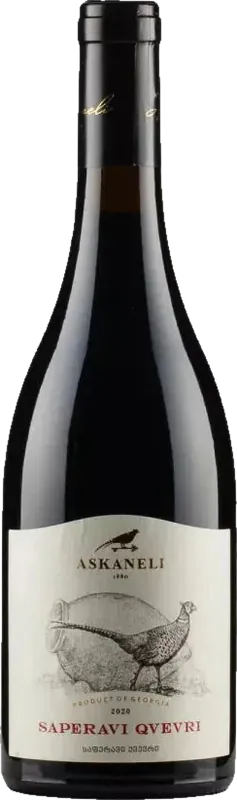
Matched on colour, sweetness, grape and region, and — where recorded — on tannin, aging vessel and technology. One wine per winery, none from this wine's own winery. Price plays no part, and no place is for sale.
Every claim on this page has a source.
Sources on this page
Glass, temperature, food and occasion are catalogue suggestions, chosen mainly by the wine's colour, sweetness and tannin, not taken from reviews of it.
Producers can respond
Château Zegaani can answer anything on this page. Responses are published next to the claim they answer.
If a figure here is wrong, the methodology page explains how we source, date and correct it.