Red grape variety
Dzelshavi
ძელშავი
Dzelshavi is a red grape variety from Georgia. In the National Wine Agency's 2025 vineyard cadastre it covers 28 ha on 1,045 plots, 18 ha of them in Imereti.
- Wines in the catalogue
- 28
- Wineries
- 25
- Vineyards, ha · cadastre 2025
- 28
About the variety
Dzelshavi (also Dzveli Shavi or Dzveli Shavi Obchuri) is a red variety from Imereti, found also in Racha-Lechkhumi. Its juice is only lightly coloured, and it is used for light red and rosé table wines, sparkling wine and blends, often with Otskhanuri Sapere or Mgaloblishvili. It can also give a lively, high-acid summer wine.
- Berry colour
- red
- Origin
- Georgiaper VIVC passport
- Typical tannin
- Low
- Where it grows — by catalogue wines
- Imereti11 wines
- Racha-Lechkhumi5 wines
- Vineyards · cadastre 2025
- Imereti18 ha
- Racha-Lechkhumi8.9 ha
- Kartli0.7 ha
- Guria0.2 ha
- Kakheti0.1 ha
1,045 plots · Vine age: before 1990 — 17 ha, 1990–2009 — 6 ha, since 2010 — 5 ha
- Missing
- No data: photo
Typical tannin of a dry wine from this variety; a given wine may differ.
Which glass to useWines
Wines from Dzelshavi
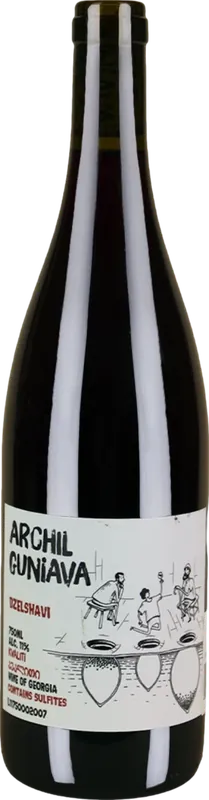
Dzelshavi
Archil Guniava Wine Cellar
Imereti
Produced by Archil Guniava Wine Cellar. Region of Imereti: a dry red wine from Dzelshavi. The qvevri method, ageing in qvevri. Organic, low-sulfur and wild-yeast.
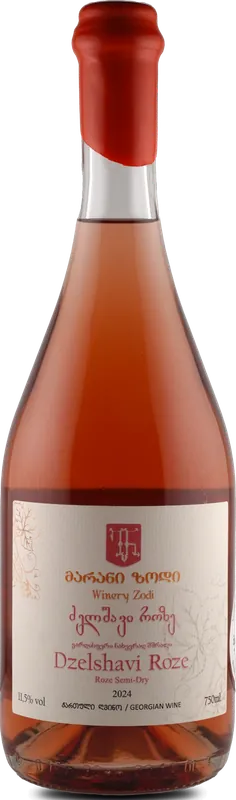
Dzelshavi Rose
Winery Zodi
Imereti
The qvevri method, ageing in qvevri, 11.5% alcohol. Dzelshavi from Imereti: a off-dry rosé Georgian wine. As described by sources: on the nose, cherry and strawberry. Made at Winery Zodi.
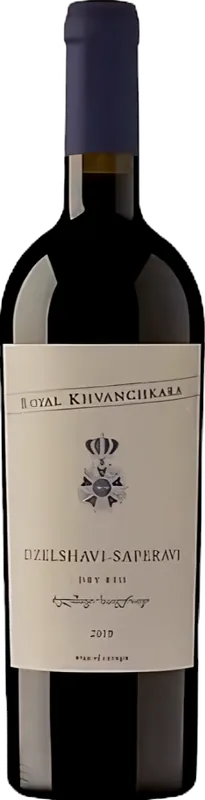
Dzelshavi Saperavi
Royal Khvanchkara
Racha-Lechkhumi
Dzelshavi and Saperavi from Racha-Lechkhumi: a dry red Georgian wine. Made using the European method, aged in a neutral vessel; alcohol 12.5%. Sources note blackberry, cherry and raspberry on the nose and long finish, medium-bodied and silky on the palate. Made at Royal Khvanchkara.
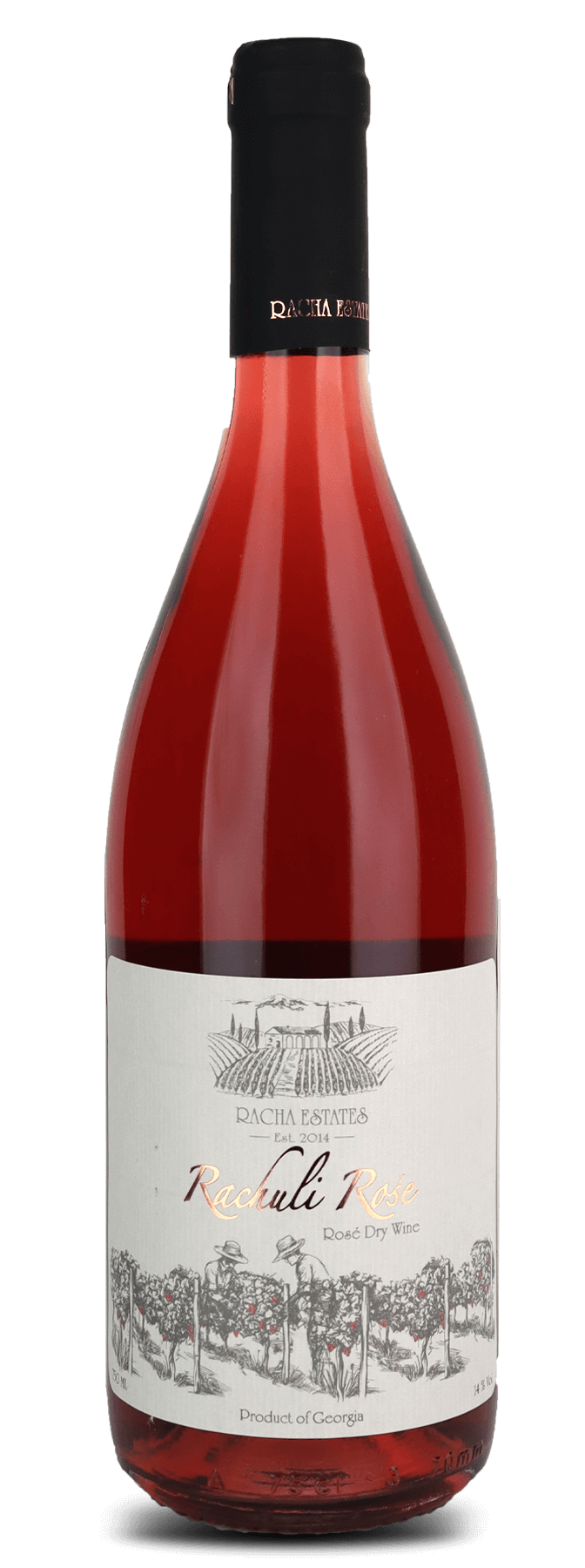
Rachuli Rose
Racha Estates
Racha-Lechkhumi
Bronze at Georgia International Wine Award (WinExpo Georgia) 2026. Saperavi and Dzelshavi from Racha-Lechkhumi: a dry rosé Georgian wine. Produced by Racha Estates.
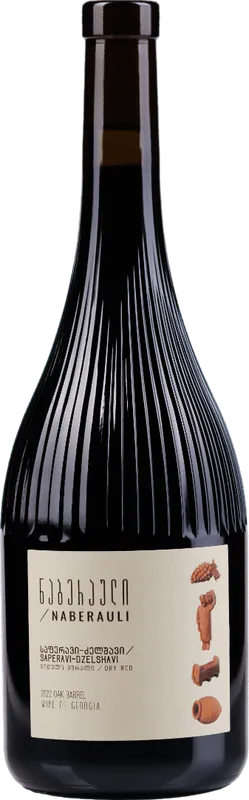
Saperavi-Dzelshavi
Naberauli Wines
Racha-Lechkhumi
Region of Racha-Lechkhumi: a red wine from Saperavi and Dzelshavi. Silver at Decanter World Wine Awards 2022. Made at Naberauli Wines.
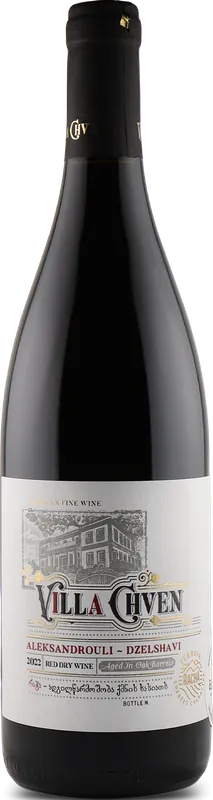
Aleksandrouli Dzelshavi
Villa Chven
A dry red Georgian wine made from Aleksandrouli and Dzelshavi. Made using the European method, aged in oak barriques; alcohol 14%. Sources note blueberry and cherry on the nose and long finish on the palate. Made at Villa Chven.
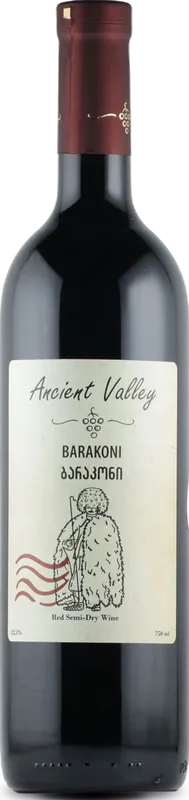
Barakoni
Ancient Valley
A off-dry red Georgian wine made from Aleksandrouli, Mujuretuli, Usakhelouri and Dzelshavi. The classic method, 12.5% alcohol. As described by sources: on the nose, cherry. Made at Ancient Valley.
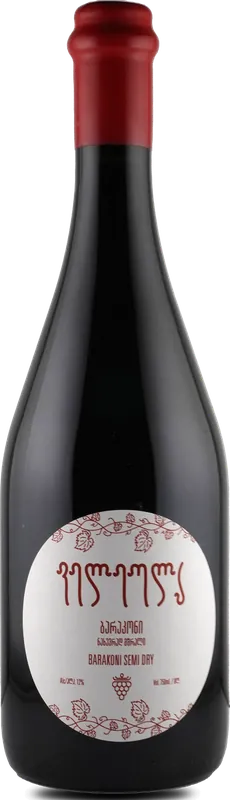
Barakoni
Veleula
Aleksandrouli, Mujuretuli and Dzelshavi: a off-dry red Georgian wine. The classic method, 12% alcohol. As described by sources: on the nose, blackberry; on the palate, balanced acidity. Made at Veleula.
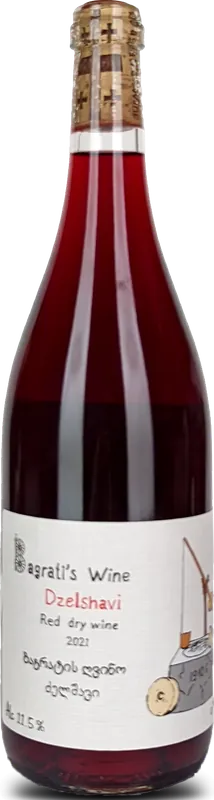
Dzelshavi
Bagrati's Wine
The qvevri method, 11.5% alcohol. Dzelshavi: a dry red Georgian wine. Made at Bagrati's Wine.
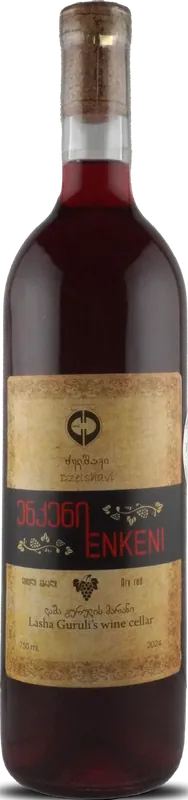
Dzelshavi
Enkeni
A dry red Georgian wine made from Dzelshavi. Made using the European method; alcohol 12%. Sources note floral and red berries on the nose. Made at Enkeni.
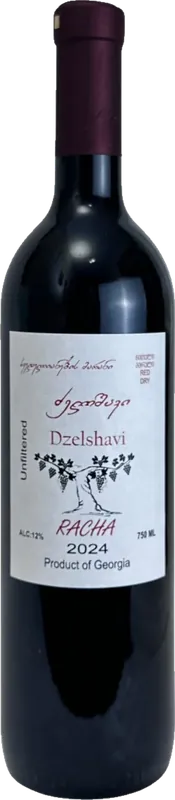
Dzelshavi
Khvedeliani's Marani
Racha-Lechkhumi
Region of Racha-Lechkhumi: a dry red wine from Dzelshavi. Produced by Khvedeliani's Marani.
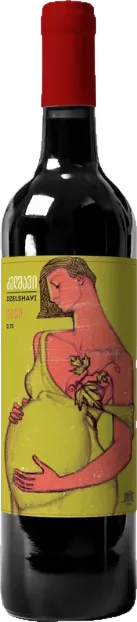
Dzelshavi
Oda Family Winery
Racha-Lechkhumi
Region of Racha-Lechkhumi: a dry red wine from Dzelshavi. Made using the traditional qvevri method, aged in a qvevri; 4 days of skin maceration. Alcohol 11%. Produced by Oda Family Winery. Declared: organic, low-sulfur and wild-yeast.
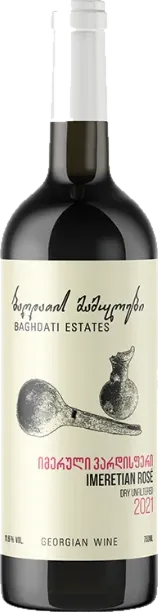
Imeretian Rosé
Baghdati Estates
Imereti
A dry rosé Georgian wine made from Dzelshavi, region of Imereti. Made using the European method, aged in a neutral vessel. Made at Baghdati Estates.
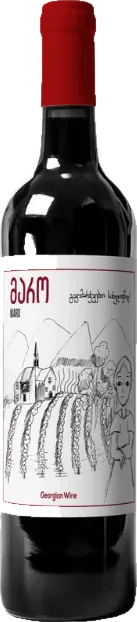
Maro
Oda Family Winery
Produced by Oda Family Winery. Tsolikouri and Dzelshavi: a dry red Georgian wine. The qvevri method, ageing in qvevri, 12% alcohol. Organic, low-sulfur and wild-yeast.
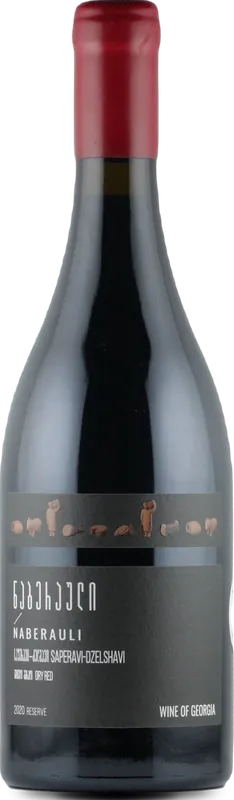
Saperavi Dzelshavi Oak
Naberauli Wines
Produced by Naberauli Wines. Saperavi and Dzelshavi: a dry red Georgian wine. The classic method, ageing in oak barriques, 13.5% alcohol. As described by sources: on the nose, cherry; on the palate, velvety.
Dzelshavi Red Semi-Sweet
Winery Zodi
Bronze at Georgia International Wine Award (WinExpo Georgia) 2024. A semi-sweet red Georgian wine made from Dzelshavi. Produced by Winery Zodi.
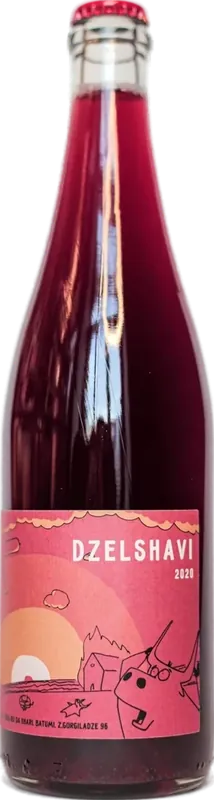
Dzelshavi
BudaKhari
A red Georgian wine made from Dzelshavi. Made at BudaKhari.
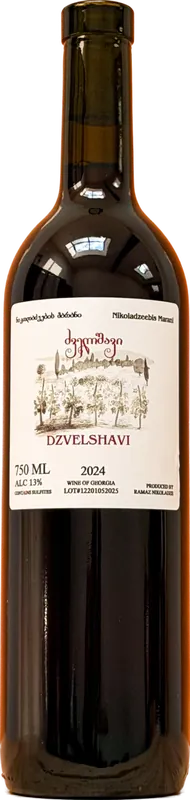
Dzelshavi
Nikoladzeebis Marani
Imereti
The qvevri method, ageing in qvevri. Region of Imereti: a dry red wine from Tsolikouri and Dzelshavi. Produced by Nikoladzeebis Marani. Organic, low-sulfur and wild-yeast.
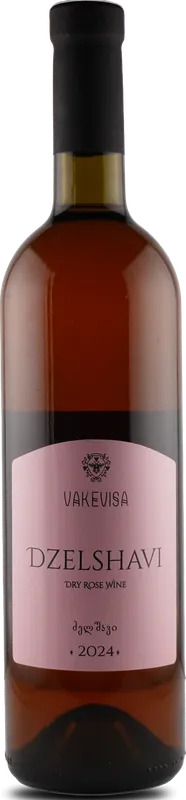
Dzelshavi Rose
Vakevisa
A rosé Georgian wine made from Dzelshavi. Produced by Vakevisa.
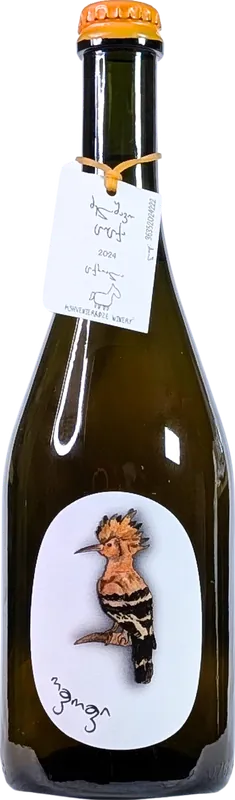
Opopi
Mshvenieradze Winery
Imereti
Made at Mshvenieradze Winery. Region of Imereti: a white wine from Tsitska and Dzelshavi.
Dzelshavi
Ilda
Imereti
A red Georgian wine made from Dzelshavi, region of Imereti. Awarded bronze at International Wine & Spirit Competition 2026. Made at Ilda.
Dueti
Dimis Ferdobi
Imereti
The qvevri method, ageing in qvevri. A dry red Georgian wine made from Dzelshavi, region of Imereti. Made at Dimis Ferdobi.
Dzelshavi
Gaioz Sopromadze Wine Cellar
Imereti
The qvevri method, ageing in qvevri. Region of Imereti: a dry red wine from Dzelshavi. Produced by Gaioz Sopromadze Wine Cellar. Organic, low-sulfur and wild-yeast.
Dzelshavi
Marani Khazhalia
A red Georgian wine made from Dzelshavi. Produced by Marani Khazhalia.
Where the data comes from
Sources for this page
Description
Facts from ampelographic sources and the country's official registers, in our own words.
Typical tannin
For reference: set only when two independent sources name the level.
Origin
The variety's passport in the Vitis International Variety Catalogue (VIVC).
Vineyard area
Vineyard cadastre 2025, National Wine Agency: plots registered under this variety; plots without an identified variety are not counted.
Wines
Our catalogue: the grape make-up comes from the winery's site or the label.
Found a mistake, a photo of a different variety, or know a better source? Tell us — we'll check and correct it.