Region profile
Imereti
Imereti is a wine region of Georgia: 2,690 ha of vineyards (vineyard cadastre, 2025) and 2 of the country's 32 appellations.
- Wines in the catalogue
- 183
- Vineyards, ha · cadastre 2025
- 2,690
Landscape
Where the wine comes from.
Western Georgia between the Likhi range and the Kolkheti lowland: the valleys of the Rioni and its tributaries — the Kvirila, the Dzirula, the Khanistskali — with vineyards from 50 to 500 m. It is wetter and cloudier than the east, the nights are cooler, and the grower's main concern is not heat but drainage and vine disease. The soils are varied: clay, marl, alluvium and hillside deposits.
The varieties are mostly white — Tsolikouri, Tsitska, Krakhuna — with Otskhanuri Sapere, Argvetuli Sapere, Dzelshavi and Aladasturi among the reds. Qvevri are called churi here, and they are worked differently from Kakheti: less of the skins goes in, fermentation runs for about two months, and the wine is then racked off. The result is paler and softer than Kakhetian amber — high acidity without heavy tannin.
There are two appellations. Sviri is a dry white from Tsitska, Tsolikouri and Krakhuna; Obcha, in the Baghdati district, was registered in December 2024 and gives an amber from Tsolikouri or a red from Otskhanuri Sapere. The rest of Imeretian wine is sold under the name of the grape and the estate.
A region on the map is wider than the wine country inside it: an appellation covers a few villages, not a whole province.
Vineyards by cadastre
What the vineyard register reports.
Hectares on record
2,690
Plots
35,848
Average per plot
0.08 ha
Cadastre year
2025
Figures from the National Wine Agency's vineyard cadastre. The register publishes numbers only, not plot outlines.
By variety
Hectares under the main varieties, out of 2,690. Plots without a recorded variety are not counted here.
- Tsolikouri453 ha
- Tsitska260 ha
- Krakhuna75 ha
- Otskhanuri Sapere67 ha
- Dzelshavi18 ha
- Aladasturi14 ha
By municipality
The municipalities the cadastre places in this region, by area.
- Zestaponi807 ha
- Terjola478 ha
- Baghdati464 ha
- Sachkhere369 ha
- Vani254 ha
- Chiatura120 ha
- Kharagauli98 ha
- Tskaltubo43 ha
- Tkibuli23 ha
- Khoni17 ha
- Samtredia17 ha
By planting year
Share of the region's hectares by the year the vines were planted.
- Before 199011%
- 1990–200911%
- Since 201014%
- Year not recorded64%
Source: vineyard cadastre 2025, National Wine Agency — NSDIPlots on the vineyard map
Appellations
The appellations of Imereti, and the wines in each.
2 appellations lie in Imereti. Where there is a risk note, it comes from the appellation's own record.
Obcha
PDONo wines in the catalogueOpen the appellationSviri
PDO4 wines in the catalogueOpen the appellation
Events in this region
What is happening on the ground.
From the organiser's own announcement: a date, a venue and an organiser. Where we have not re-checked an announcement recently, the card says so.

Nothing here is sponsored, and no organiser pays for a listing.
Wines from Imereti
What the catalogue holds.
183 wines from Imereti. The price on a card is the median across shops, or the lowest price where there is no median — a reference, not a rating.
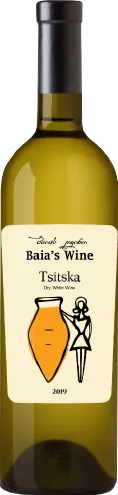
Tsitska
Baia's Wine
Imereti
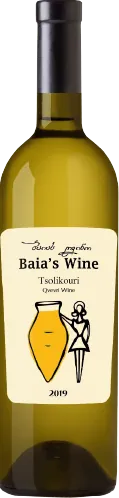
Tsolikouri
Baia's Wine
Imereti
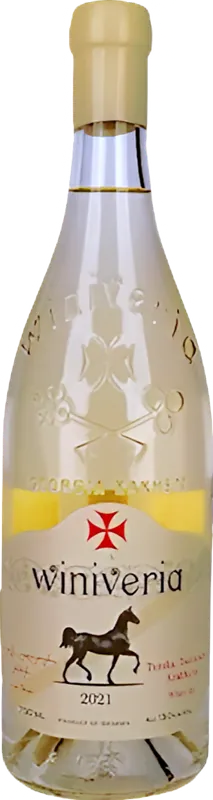
Tsitska, Tsolikouri, Krakhuna
Winiveria
Imereti
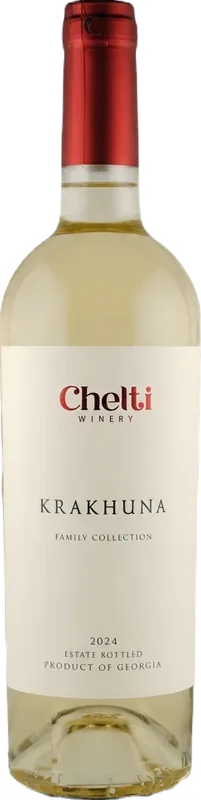
Krakhuna
Chelti
Imereti
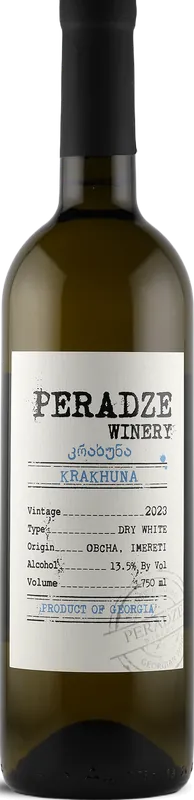
Krakhuna
Peradze Winery
Imereti
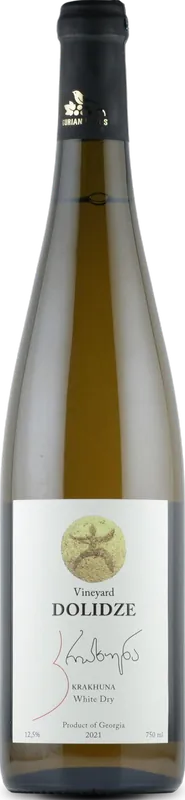
Krakhuna
Vineyard Dolidze
Imereti
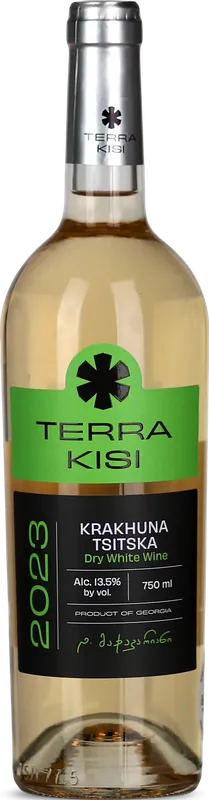
Krakhuna Tsitska
Terra Kisi
Imereti
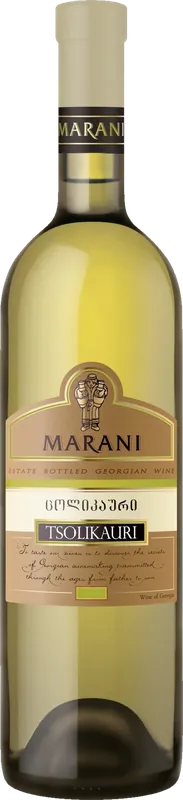
Marani Tsolikauri
Telavi Wine Cellar
Imereti
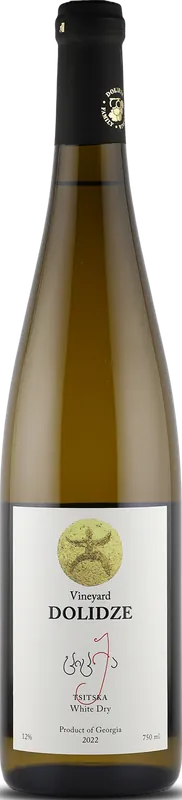
Tsitska
Vineyard Dolidze
Imereti
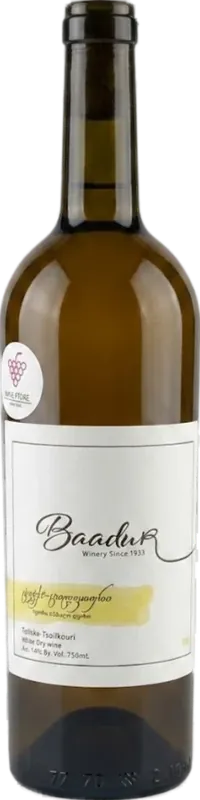
Tsitska Tsolikauri
Baadur
Imereti
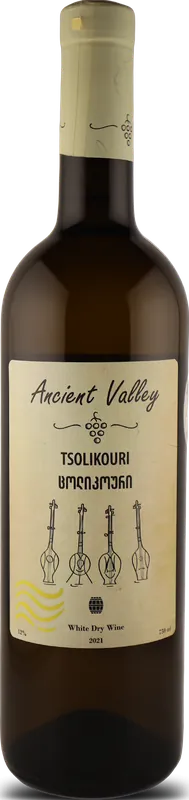
Tsolikauri Oak
Ancient Valley
Imereti
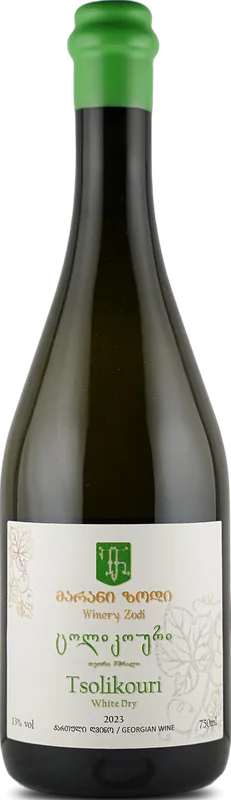
Tsolikouri
Winery Zodi
Imereti
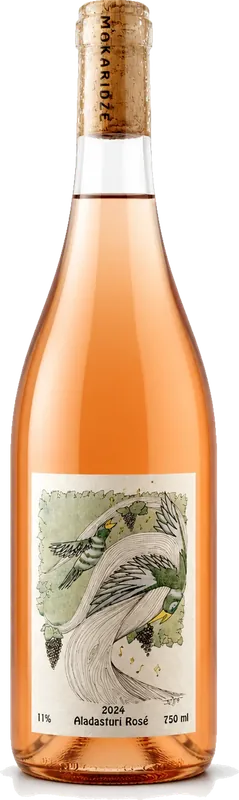
Aladasturi Rosé
Makaridze Winery
Imereti
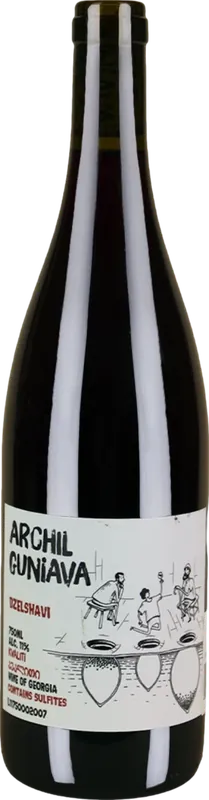
Dzelshavi
Archil Guniava Wine Cellar
Imereti
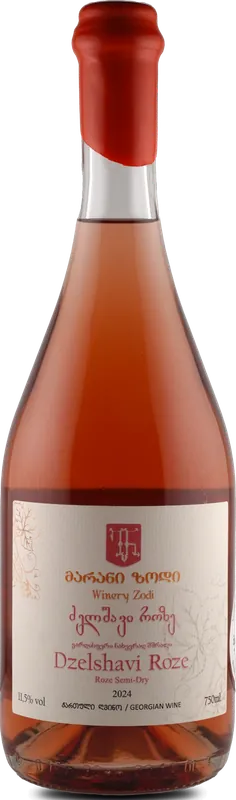
Dzelshavi Rose
Winery Zodi
Imereti
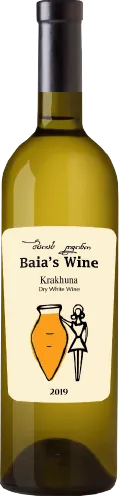
Krakhuna
Baia's Wine
Imereti
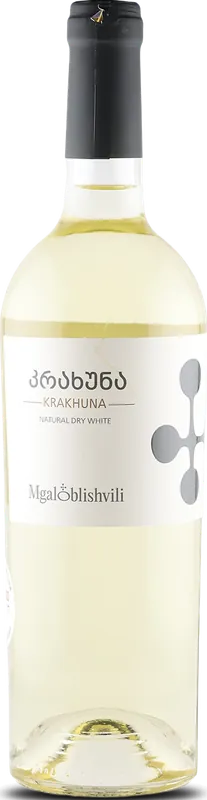
Krakhuna
Mgaloblishvili
Imereti
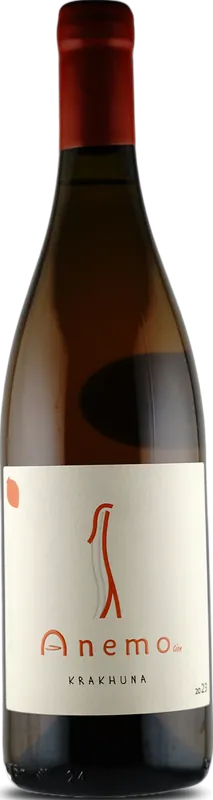
Krakhuna Qvevri
Anemo
Imereti
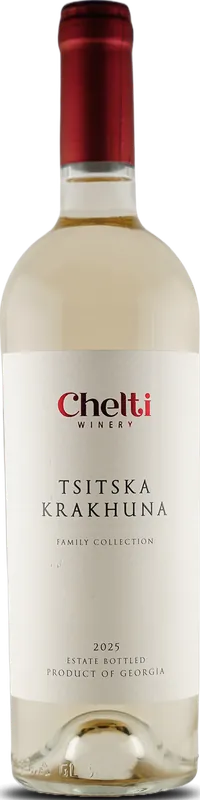
Tsitska-Krakhuna
Chelti
Imereti
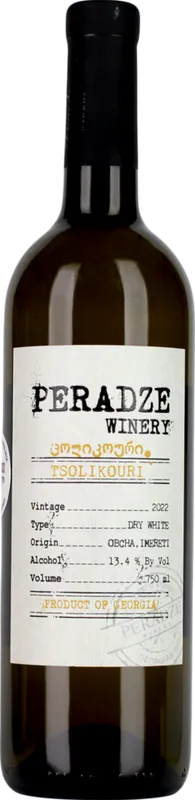
Tsolikauri
Peradze Winery
Imereti
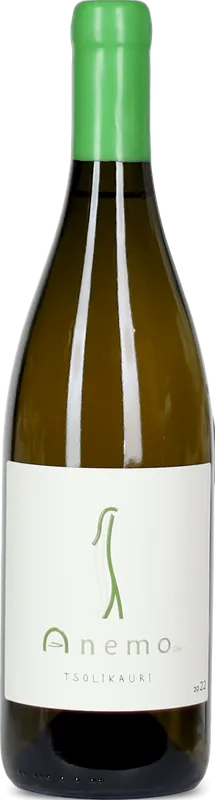
Tsolikauri Qvevri
Anemo
Imereti
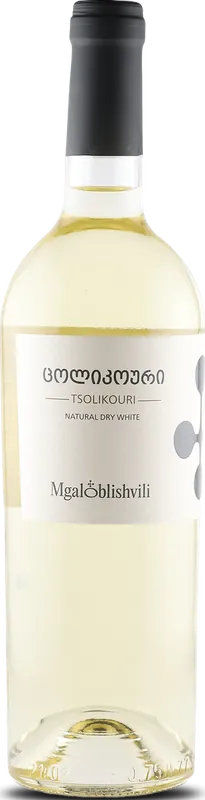
Tsolikouri
Mgaloblishvili
Imereti
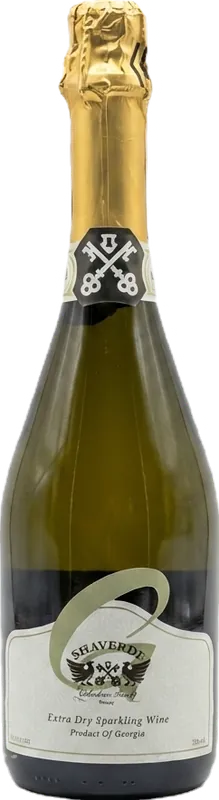
Tsolikouri Sparkling
Gulordava Family Winery
Imereti
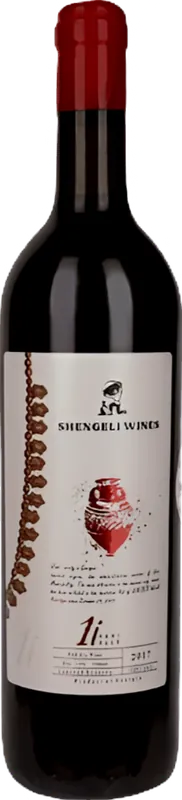
Vani Red
Shengeli
Imereti
Page 1 of 8 · 183 wines
In the catalogue the same wines can be filtered by colour, sweetness, price and more.
Sources and other regions
Where this page comes from.
Our own catalogue
Wines, appellations and events, counted off the catalogue's published records.
Region description
Appellation register
Which appellations exist and which region each belongs to.
Vineyard cadastre 2025 — National Wine Agency, NSDI
Hectares, plots, varieties, municipalities and planting years.
Found a mistake on this page? Tell us: we check every correction against the source.