White grape variety
Chinuri
ჩინური
Chinuri is a white grape variety from Georgia. In the National Wine Agency's 2025 vineyard cadastre it covers 303 ha on 1,169 plots, 287 ha of them in Kartli.
- Wines in the catalogue
- 141
- Wineries
- 84
- Vineyards, ha · cadastre 2025
- 303
About the variety
Chinuri is a white variety from Kartli, grown across the region and also in Kakheti; its name is usually linked to the Georgian word chinebuli, 'excellent'. It ripens late and keeps high natural acidity, which makes it the main grape of the sparkling Atenuri PDO, blended with Goruli Mtsvane. It is also made as a still dry white, both in tank and in qvevri, where the wine becomes firmer and more tannic.
- Berry colour
- white
- Origin
- Georgiaper VIVC passport
- Vineyards · cadastre 2025
- Kartli287 ha
- Kakheti11 ha
- Imereti4.2 ha
- Racha-Lechkhumi0.1 ha
1,169 plots · Vine age: before 1990 — 82 ha, 1990–2009 — 94 ha, since 2010 — 127 ha
- Missing
- No data: tannin
What it looks like
Bunch, berries and leaf
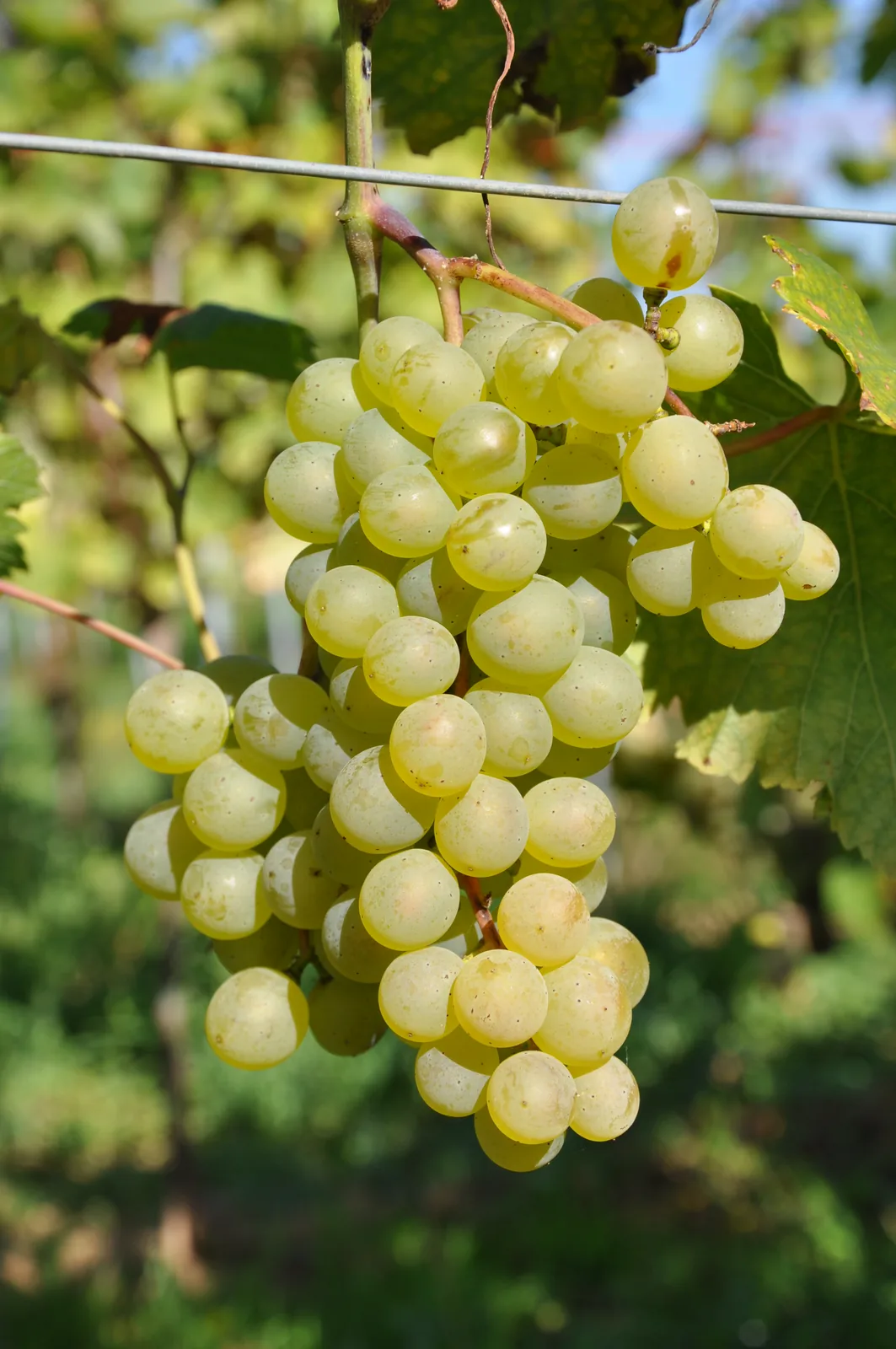
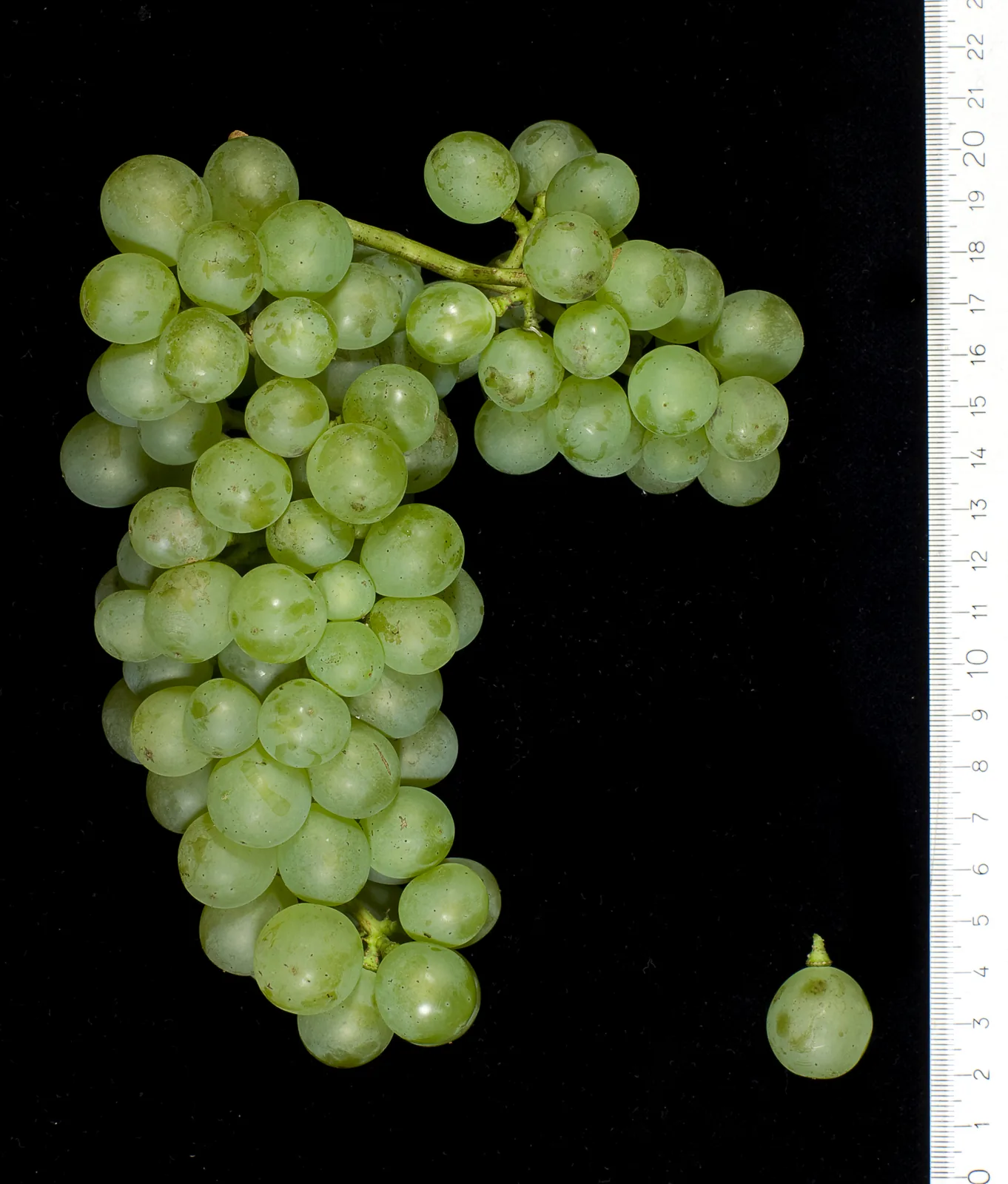
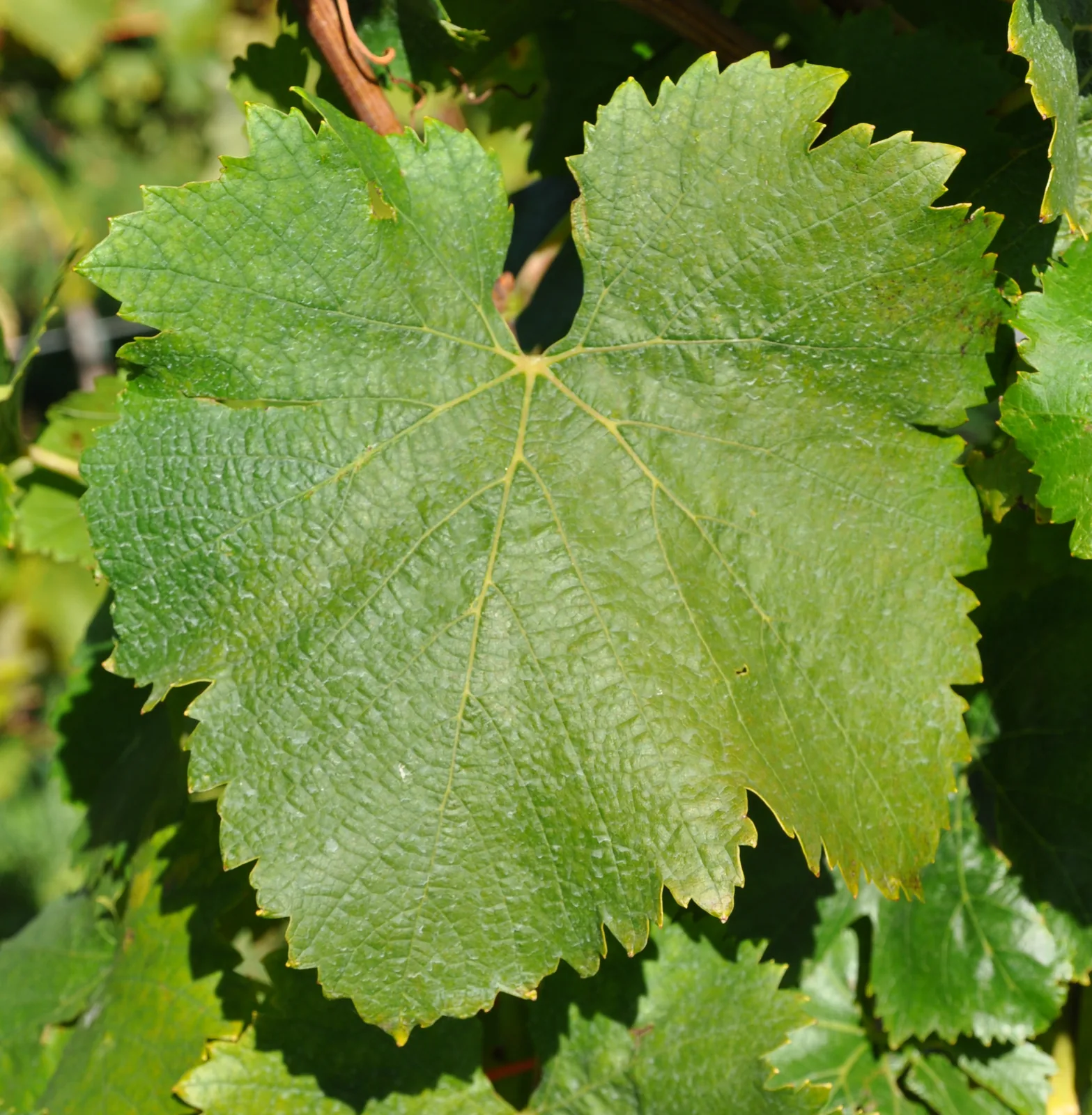
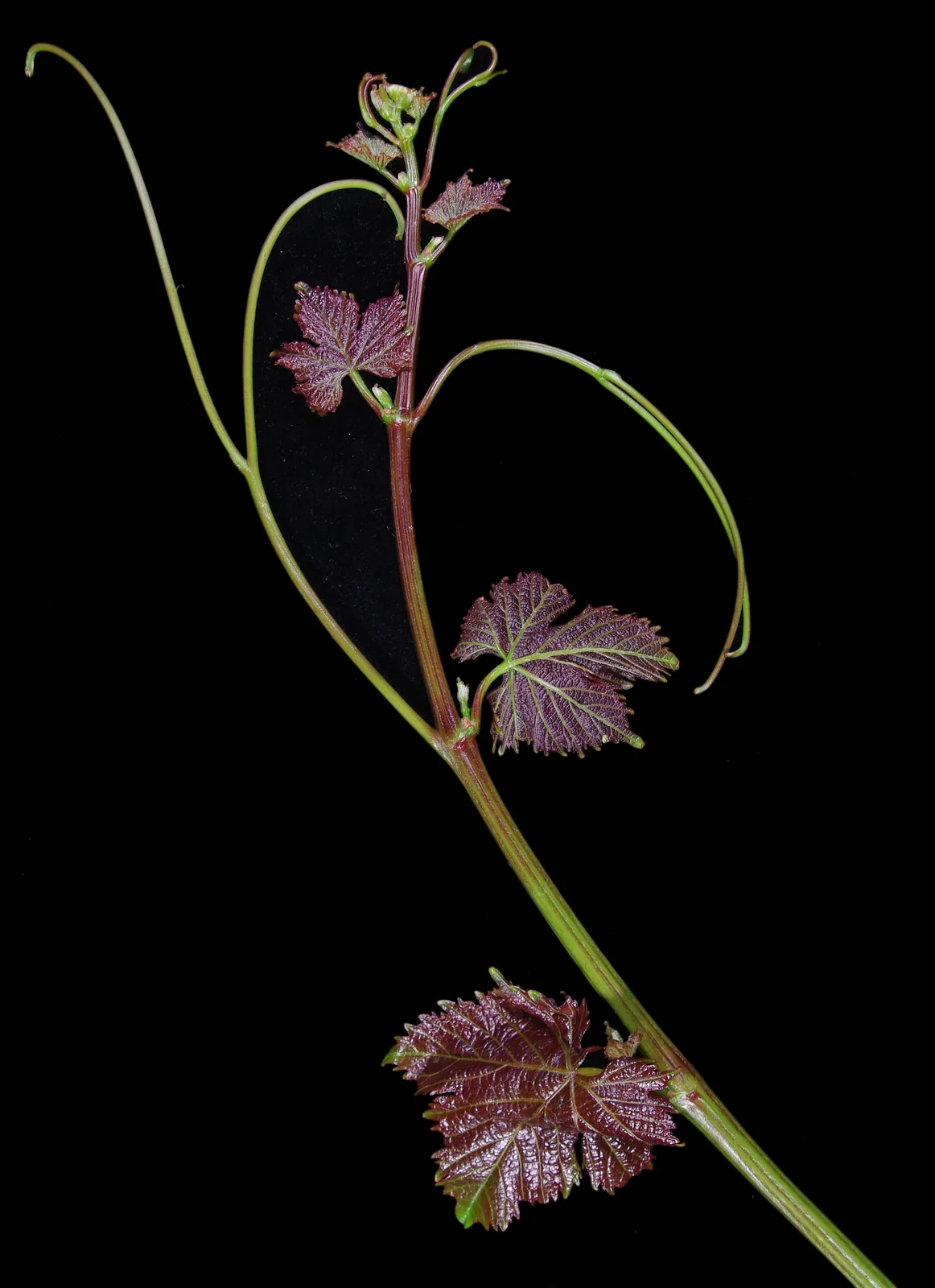
Wines
Wines from Chinuri
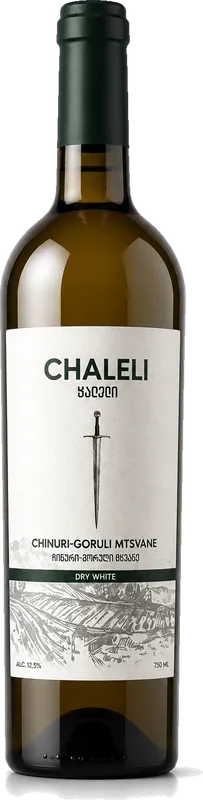
Chinuri+Goruli Mtsvane
Chaleli
A dry white Georgian wine made from Chinuri and Goruli Mtsvane. Awarded gold at Georgia International Wine Award (WinExpo Georgia) 2024. Produced by Chaleli.
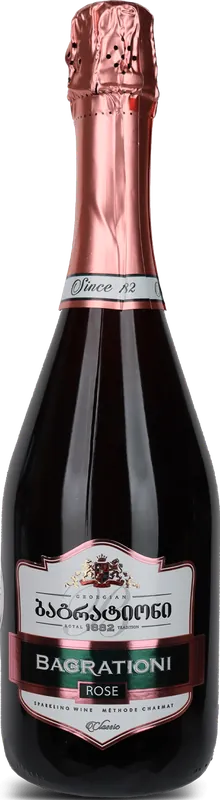
Sparkling Rose Semi Sweet
Bagrationi 1882
Produced by Bagrationi 1882. Chinuri, Rkatsiteli, Tavkveri and Tsitska: a rosé sparkling Georgian wine. The classic method, 11.5% alcohol. As described by sources: on the nose, floral.
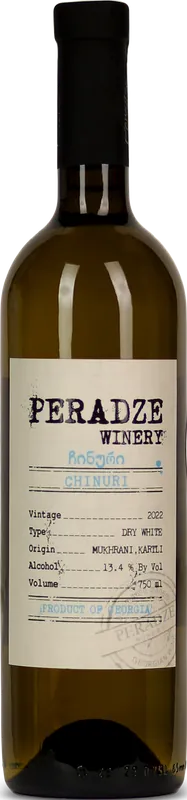
Chinuri
Peradze Winery
Kartli
Region of Kartli: a dry white wine from Chinuri. Made using the European method; alcohol 13.4%. Sources note citrus and floral on the nose. Produced by Peradze Winery.
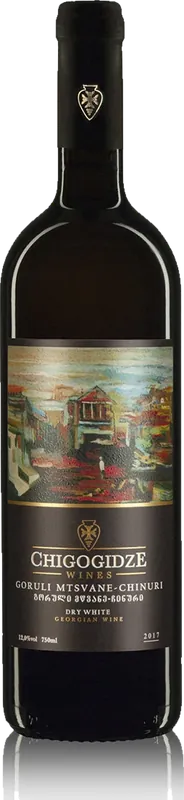
Goruli Mtsvane Chinuri
Chigogidze Wines
Kartli
Region of Kartli: a dry white wine from Chinuri and Goruli Mtsvane. Awarded bronze at International Wine & Spirit Competition 2025. Made at Chigogidze Wines.
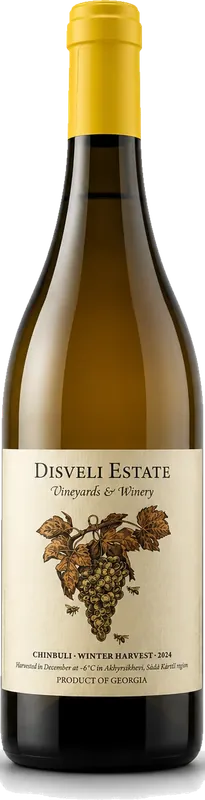
Chinebuli Icewine
Disveli Estate
Kartli
Chinuri from Kartli: a semi-sweet white Georgian wine. Made at Disveli Estate.
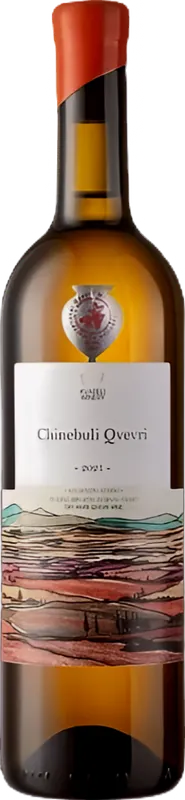
Chinebuli Qvevri
Kvareli Winery
Kakheti
A dry amber Georgian wine made from Chinuri, region of Kakheti. Made using the traditional qvevri method, aged in a qvevri; alcohol 12.5%. Sources note apricot, citrus zest and dried apricot on the nose. Produced by Kvareli Winery.
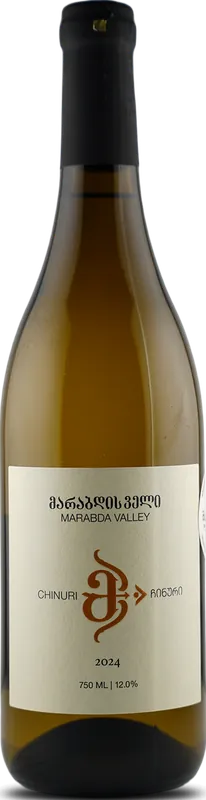
Chinuri
Marabda Valley
A dry white Georgian wine made from Chinuri. Produced by Marabda Valley.
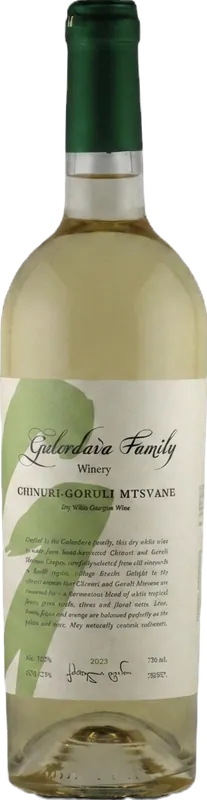
Chinuri Goruli Mtsvane
Gulordava Family Winery
Kartli
Region of Kartli: a dry white wine from Chinuri and Goruli Mtsvane. Made using the European method; alcohol 12.5%. Sources note citrus, mineral and herbal on the nose. Produced by Gulordava Family Winery.
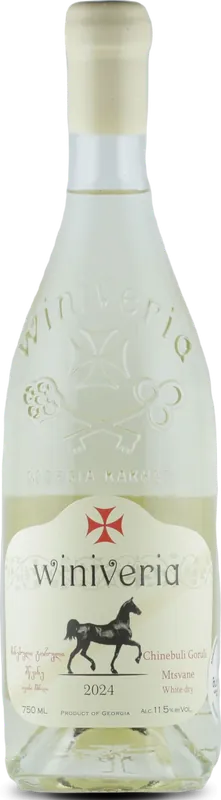
Chinuri Goruli Mtsvane
Winiveria
A dry white Georgian wine made from Chinuri and Goruli Mtsvane. Made using the European method; alcohol 11.5%. Sources note citrus on the nose. Produced by Winiveria.
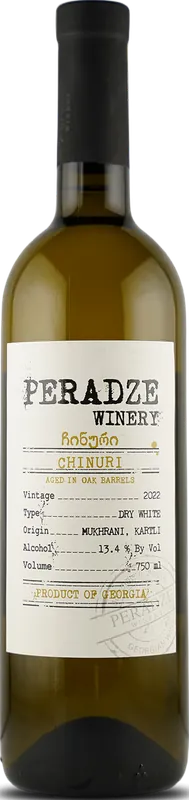
Chinuri Oak
Peradze Winery
Kartli
A dry white Georgian wine made from Chinuri, region of Kartli. Made using the European method, aged in oak barriques; alcohol 13.4%. Sources note light-bodied on the palate. Produced by Peradze Winery.
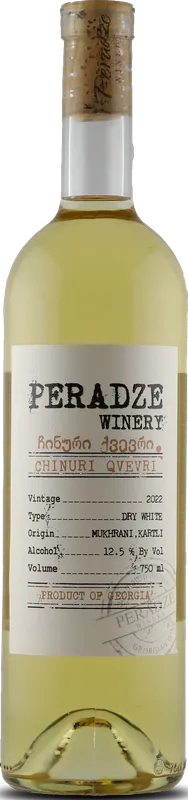
Chinuri Qvevri
Peradze Winery
Kartli
A dry amber Georgian wine made from Chinuri, region of Kartli. Made using the traditional qvevri method, aged in a qvevri; alcohol 12.5%. Produced by Peradze Winery.
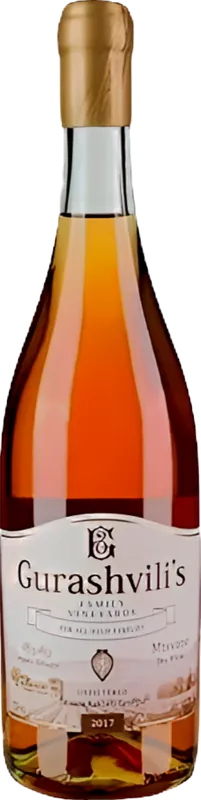
Deduleti Goruli Mtsvane-Chinuri Qvevri
Gurashvili
Kartli
Chinuri and Goruli Mtsvane from Kartli: a dry amber Georgian wine. Made using the traditional qvevri method, aged in a qvevri; alcohol 13%. Sources note apple, apricot and herbal on the nose. Produced by Gurashvili.
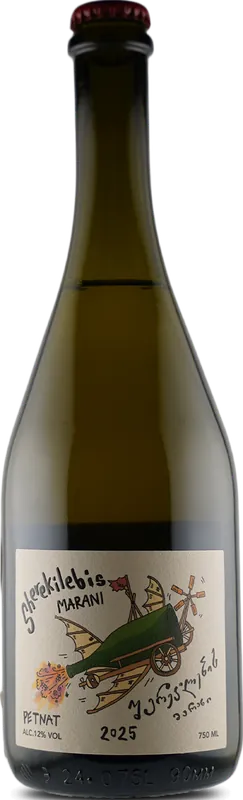
Goruli Mtsvane Chinuri Petnat Brut
Sherekilebi
Kartli
A brut white sparkling Georgian wine made from Chinuri and Goruli Mtsvane, region of Kartli. Made at Sherekilebi.
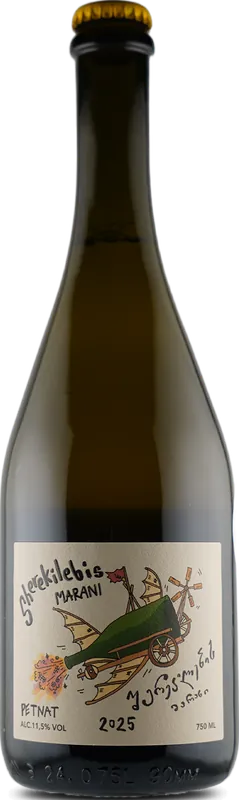
Goruli Mtsvane Chinuri Petnat Extra Brut
Sherekilebi
Kartli
Chinuri and Goruli Mtsvane from Kartli: a extra brut white sparkling Georgian wine. Produced by Sherekilebi.
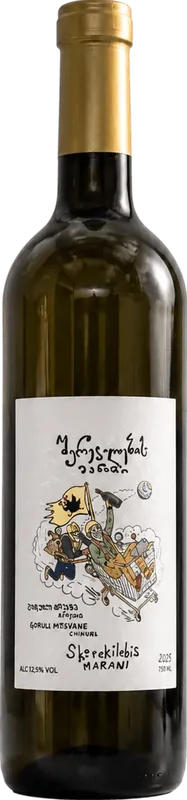
Goruli Mtsvane-Chinuri
Sherekilebi
Kartli
A dry white Georgian wine made from Chinuri and Goruli Mtsvane, region of Kartli. Made at Sherekilebi.
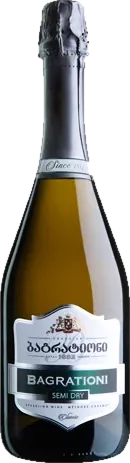
Semi-Dry
Bagrationi 1882
Kartli
A off-dry white Georgian wine made from Tsitska, Chinuri and Tsolikouri, region of Kartli. Made using the European method, aged in a neutral vessel. Made at Bagrationi 1882.
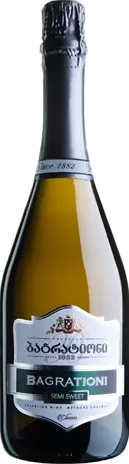
Semi-Sweet
Bagrationi 1882
Kartli
Produced by Bagrationi 1882. A semi-sweet white Georgian wine made from Tsitska, Chinuri and Tsolikouri, region of Kartli. The classic method, ageing in a neutral vessel.
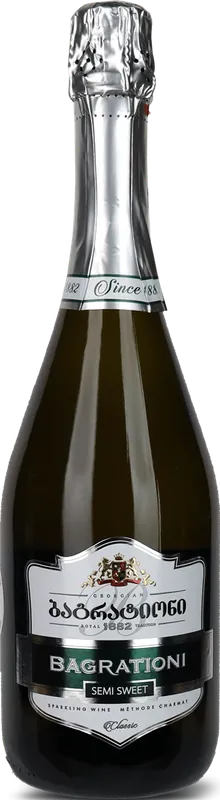
Sparkling Semi Sweet Classic
Bagrationi 1882
Tsitska, Chinuri and Rkatsiteli: a white sparkling Georgian wine. Made using the European method; alcohol 11.5%. Sources note floral, honey and melon on the nose. Produced by Bagrationi 1882.
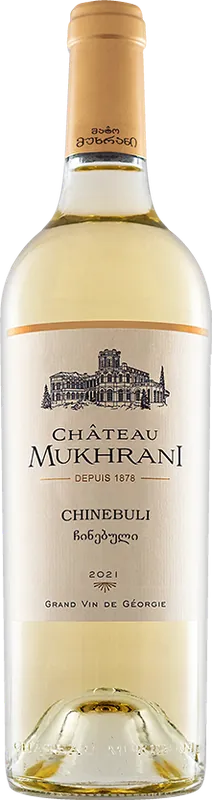
Chinebuli
Château Mukhrani
Kartli
Produced by Château Mukhrani. A dry white Georgian wine made from Chinuri, region of Kartli. The classic method, ageing in a neutral vessel, 11.5% alcohol. Bronze at Decanter World Wine Awards 2024.
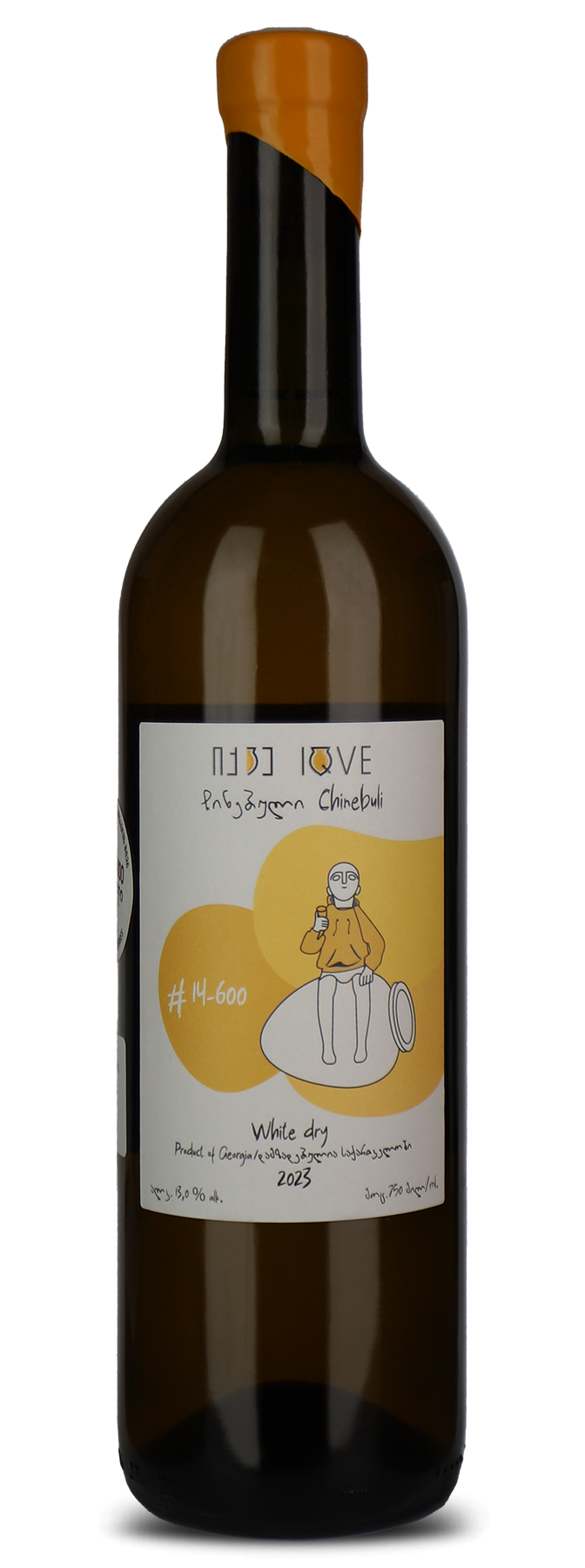
Chinebuli
Iqve
Kartli
Awarded bronze at Georgia International Wine Award (WinExpo Georgia) 2024. Chinuri from Kartli: a dry amber Georgian wine. Made using the traditional qvevri method, aged in a qvevri; 210 days of skin maceration. Alcohol 13%. Made at Iqve.
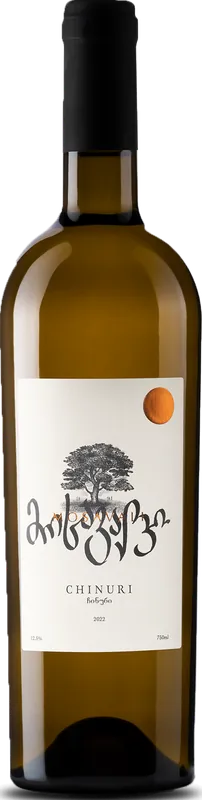
Chinuri
Mosavali
Kartli
Awarded Commended at Decanter World Wine Awards 2020. Region of Kartli: a dry white wine from Chinuri. Made using the European method; alcohol 12.5%. Produced by Mosavali.
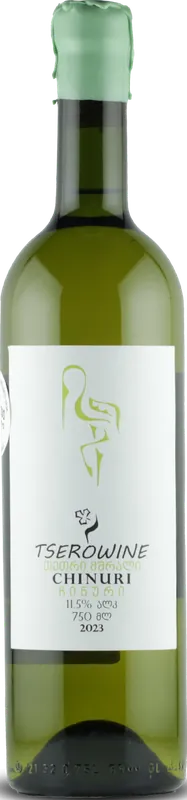
Chinuri
TseroWine
Kartli
A dry white Georgian wine made from Chinuri, region of Kartli. Made using the European method; alcohol 11.5%. Sources note melon and pear on the nose. Produced by TseroWine.
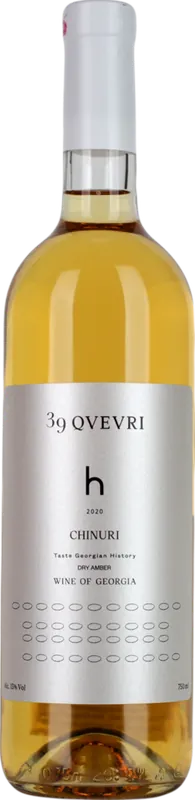
Chinuri Qvevri
39 Qvevri
Awarded silver at Georgia International Wine Award (WinExpo Georgia) 2026. Chinuri: a dry amber Georgian wine. Made using the traditional qvevri method, aged in a qvevri; alcohol 13%. Produced by 39 Qvevri.
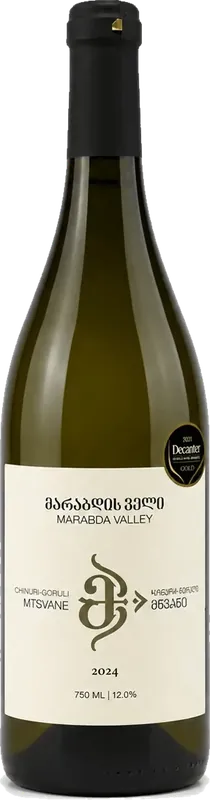
Chinuri-Goruli Mtsvane
Mukhati Wine Cellar
Kartli
Gold at International Wine & Spirit Competition 2026. Region of Kartli: a white wine from Chinuri and Goruli Mtsvane. Produced by Mukhati Wine Cellar.
Where the data comes from
Sources for this page
Description
Facts from ampelographic sources and the country's official registers, in our own words.
Photos
Openly licensed photographs and photos from winery websites; the source of each frame:
- Bunch on the vine · photo: Doris Schneider, Julius Kühn-Institut (JKI), Federal Research Centre for Cultivated Plants, Institute for Grapevine Breeding Geilweilerhof - 76833 Siebeldingen, GERMANY / VIVC, This photo can be reproduced
- Bunch · photo: Doris Schneider, Ursula Brühl, Julius Kühn-Institut (JKI), Federal Research Centre for Cultivated Plants, Institute for Grapevine Breeding Geilweilerhof - 76833 Siebeldingen, GERMANY / VIVC, This photo can be reproduced
- Leaf · photo: Doris Schneider, Julius Kühn-Institut (JKI), Federal Research Centre for Cultivated Plants, Institute for Grapevine Breeding Geilweilerhof - 76833 Siebeldingen, GERMANY / VIVC, This photo can be reproduced
- Shoot tip · photo: Doris Schneider, Ursula Brühl, Julius Kühn-Institut (JKI), Federal Research Centre for Cultivated Plants, Institute for Grapevine Breeding Geilweilerhof - 76833 Siebeldingen, GERMANY / VIVC, This photo can be reproduced
Origin
The variety's passport in the Vitis International Variety Catalogue (VIVC).
Vineyard area
Vineyard cadastre 2025, National Wine Agency: plots registered under this variety; plots without an identified variety are not counted.
Wines
Our catalogue: the grape make-up comes from the winery's site or the label.
Found a mistake, a photo of a different variety, or know a better source? Tell us — we'll check and correct it.