Region
Kartli
340 wines in the catalogue
Independent guide to Georgian wine
Estate
Own grapes, own winemaking and bottling — all confirmed by sources.
getwine's classification, not a legal or tax status · How we classify →
Large producer
Output from 750,000 litres a year (about a million bottles) or from 100 ha of own vineyards.
getwine's classification, not a legal or tax status · How we classify →
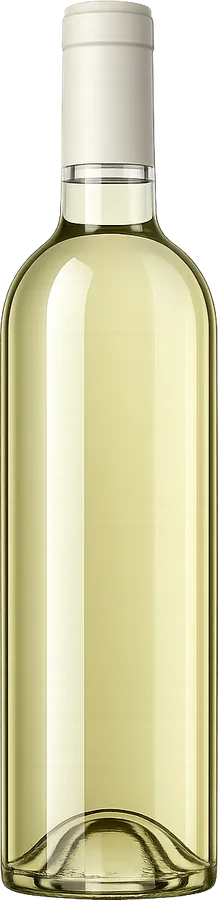
Kartli · Brut
Only you can see your marks and ratings.
Commended at Decanter World Wine Awards 2012. Region of Kartli: a brut white sparkling wine from Tsitska, Chinuri and Tsolikouri. The classic method, ageing in a neutral vessel. Produced by Bagrationi 1882.
What the bottle actually is.
Comparable values, collected the same way for every wine in the catalogue. Anything we do not know is left empty.
under 12 g/l sugar
How to serve it, and what to expect in the glass.
Glass, temperature, food and occasion are catalogue suggestions, chosen mainly by the wine's colour, sweetness and tannin, not taken from reviews of it.
Glass
A tall, narrow bowl: keeps the bubbles and the chill longer; a tulip gives the aroma a little more room than a flute.
How glass shapes differServing temperature
6–8 °C
When to open it
What it costs, where, and how that moved.
Offers on record
0 shops
No shop prices found yet
Shelf price over time
Not enough observations for a trend yet — the chart appears once prices have been collected for several weeks.
Who made it, and what they are.
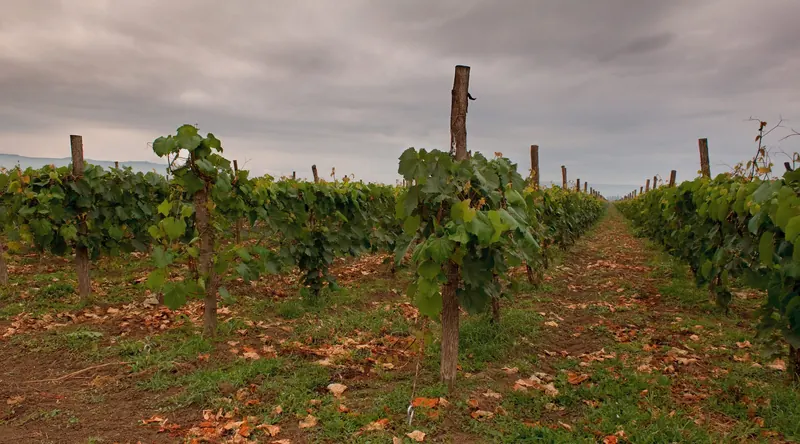
Where the grapes were grown.
On the map
All regionsRegion
340 wines in the catalogue
Medals, with the competition and the year attached.
A medal on its own is decoration. Each one here carries the competition, the year and the weight of that competition.
The season, vintage by vintage.
What the season was like in the Kartli region compared with the previous decade.
warmer than the previous ten years here
This wine has no appellation on record, so the weather is taken for the region and describes the wider area. Zones sharing this grid cell: 2. Their weather does not differ in this data — the grid is coarser than the zones. Weather explains what the season was like; it does not rate the wine or say when to open it.
How vintage weather is calculatedClose in style, not in price.
Matched on colour, sweetness, grape and region, and — where recorded — on tannin, aging vessel and technology. One wine per winery, none from this wine's own winery. Price plays no part, and no place is for sale.
Every claim on this page has a source.
Sources on this page
Glass, temperature, food and occasion are catalogue suggestions, chosen mainly by the wine's colour, sweetness and tannin, not taken from reviews of it.
Producers can respond
Bagrationi 1882 can answer anything on this page. Responses are published next to the claim they answer.
If a figure here is wrong, the methodology page explains how we source, date and correct it.