White grape variety
Tsitska
ციცქა
Tsitska is a white grape variety from Georgia. In the National Wine Agency's 2025 vineyard cadastre it covers 270 ha on 3,576 plots, 261 ha of them in Imereti.
- Wines in the catalogue
- 113
- Wineries
- 56
- Vineyards, ha · cadastre 2025
- 270
About the variety
Tsitska is a white variety from Upper and Middle Imereti; the historian Ivane Javakhishvili linked its name to the village of Tsitske. It ripens late and keeps high acidity, which makes it one of Georgia's main grapes for sparkling wine. As a still dry white it is often blended with Tsolikouri, as in the Sviri PDO.
- Berry colour
- white
- Origin
- Georgiaper VIVC passport
- Where it grows — by catalogue wines
- Imereti47 wines
- Kartli7 wines
- Kakheti4 wines
- Guria1 wine
- Racha-Lechkhumi1 wine
- Vineyards · cadastre 2025
3,576 plots · Vine age: before 1990 — 96 ha, 1990–2009 — 86 ha, since 2010 — 88 ha
- Missing
- No data: tannin, photo
Wines
Wines from Tsitska
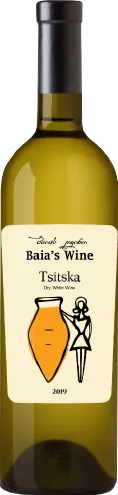
Tsitska
Baia's Wine
Imereti
Region of Imereti: a dry amber wine from Tsitska. The qvevri method, ageing in qvevri. Produced by Baia's Wine. Organic.
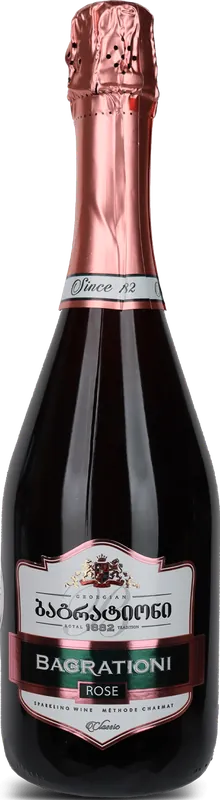
Sparkling Rose Semi Sweet
Bagrationi 1882
Produced by Bagrationi 1882. Chinuri, Rkatsiteli, Tavkveri and Tsitska: a rosé sparkling Georgian wine. The classic method, 11.5% alcohol. As described by sources: on the nose, floral.
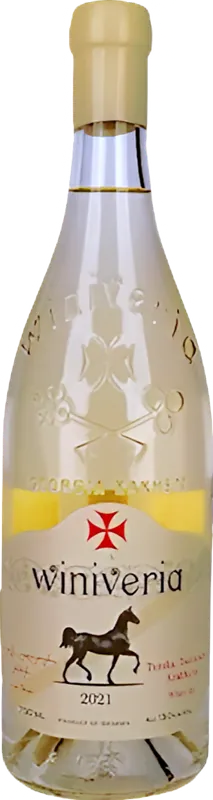
Tsitska, Tsolikouri, Krakhuna
Winiveria
Imereti
A dry white Georgian wine made from Krakhuna, Tsolikouri and Tsitska, region of Imereti. The classic method, 12.5% alcohol. As described by sources: on the nose, citrus and tropical fruit; on the palate, high acidity. Made at Winiveria.
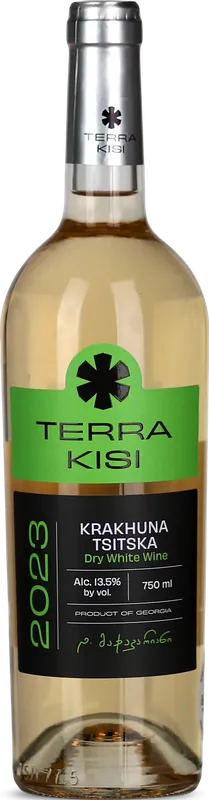
Krakhuna Tsitska
Terra Kisi
Imereti
Region of Imereti: a dry white wine from Tsitska and Krakhuna. Made using the European method; alcohol 13.5%. Sources note citrus and lemon on the nose. Produced by Terra Kisi.
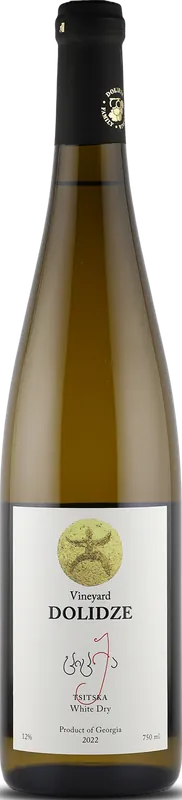
Tsitska
Vineyard Dolidze
Imereti
Bronze at International Wine & Spirit Competition 2025. A dry white Georgian wine made from Tsitska, region of Imereti. The classic method, 12% alcohol. Produced by Vineyard Dolidze.
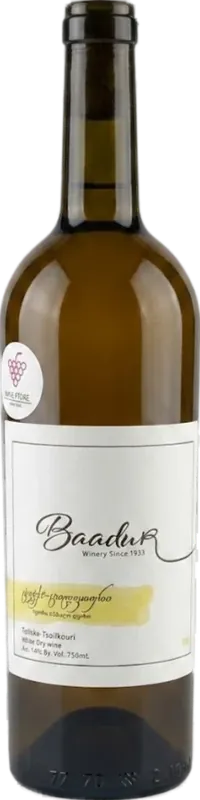
Tsitska Tsolikauri
Baadur
Imereti
Tsitska and Tsolikouri from Imereti: a dry white Georgian wine. Made using the European method; alcohol 14%. Awarded bronze at Georgia International Wine Award (WinExpo Georgia) 2026. Produced by Baadur.
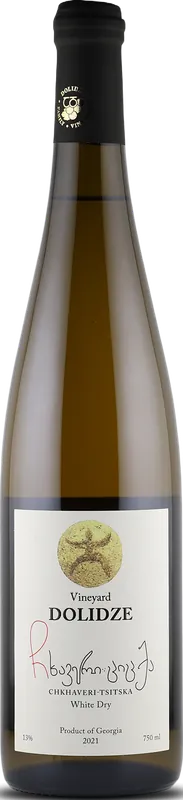
Chkhaveri Tsitska
Vineyard Dolidze
A dry white Georgian wine made from Tsitska and Chkhaveri. The classic method, 13% alcohol. As described by sources: on the nose, floral. Produced by Vineyard Dolidze.
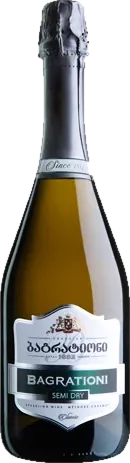
Semi-Dry
Bagrationi 1882
Kartli
A off-dry white Georgian wine made from Tsitska, Chinuri and Tsolikouri, region of Kartli. Made using the European method, aged in a neutral vessel. Made at Bagrationi 1882.
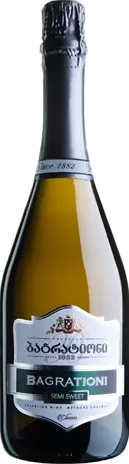
Semi-Sweet
Bagrationi 1882
Kartli
Produced by Bagrationi 1882. A semi-sweet white Georgian wine made from Tsitska, Chinuri and Tsolikouri, region of Kartli. The classic method, ageing in a neutral vessel.
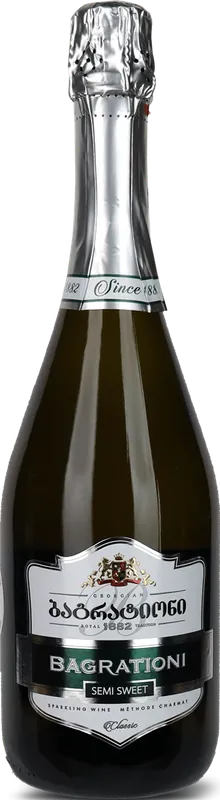
Sparkling Semi Sweet Classic
Bagrationi 1882
Tsitska, Chinuri and Rkatsiteli: a white sparkling Georgian wine. Made using the European method; alcohol 11.5%. Sources note floral, honey and melon on the nose. Produced by Bagrationi 1882.
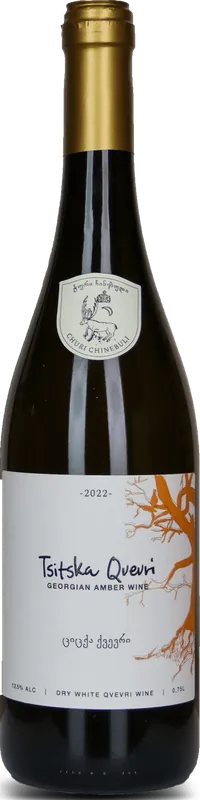
Tsitska Qvevri
Churi Chinebuli
A dry amber Georgian wine made from Tsitska. Made using the traditional qvevri method; alcohol 12.5%. Made at Churi Chinebuli.
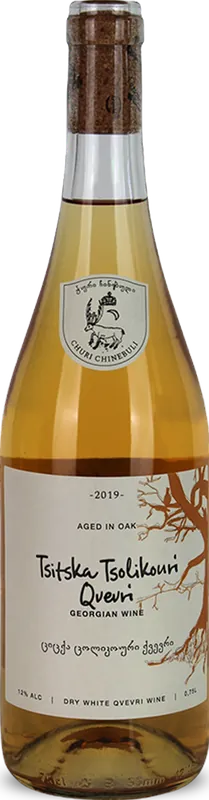
Tsitska Tsolikauri Qvevri
Churi Chinebuli
A dry amber Georgian wine made from Tsitska and Tsolikouri. Made using the traditional qvevri method; alcohol 12.5%. Produced by Churi Chinebuli.
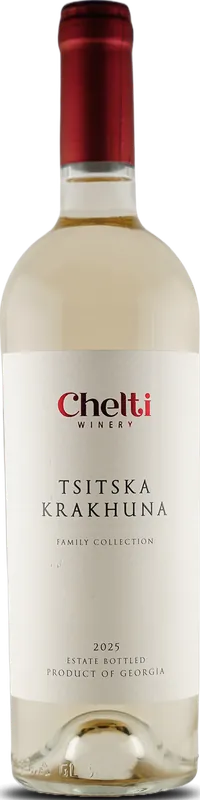
Tsitska-Krakhuna
Chelti
Imereti
Region of Imereti: a off-dry white wine from Tsitska and Krakhuna. Made using the European method; alcohol 12.5%. Made at Chelti.
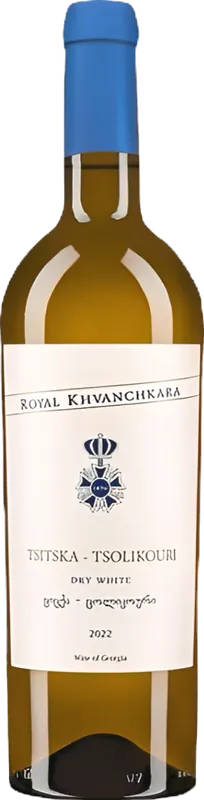
Tsitska-Tsolikouri
Royal Khvanchkara
Racha-Lechkhumi
Made at Royal Khvanchkara. Region of Racha-Lechkhumi: a dry white wine from Tsitska and Tsolikouri. As described by sources: on the nose, citrus and herbal; on the palate, crisp and high acidity.
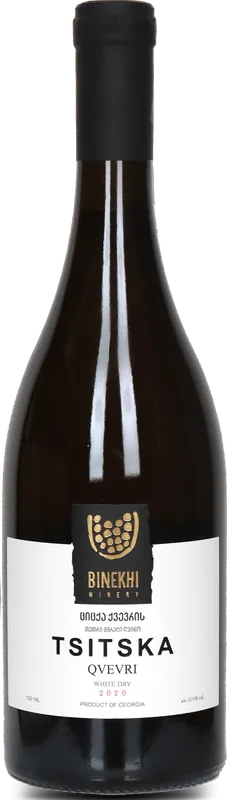
Tsitska Qvevri Oak Barrel
Binekhi
Awarded silver at Georgia International Wine Award (WinExpo Georgia) 2026. A amber Georgian wine made from Tsitska. Made using the traditional qvevri method, aged in a qvevri; alcohol 13%. Produced by Binekhi.
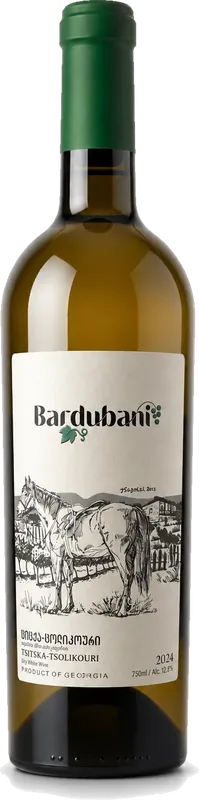
Tsitska+Tsolikouri
Bardubani
Imereti
Bronze at Georgia International Wine Award (WinExpo Georgia) 2026. Region of Imereti: a dry white wine from Tsitska and Tsolikouri. Produced by Bardubani.
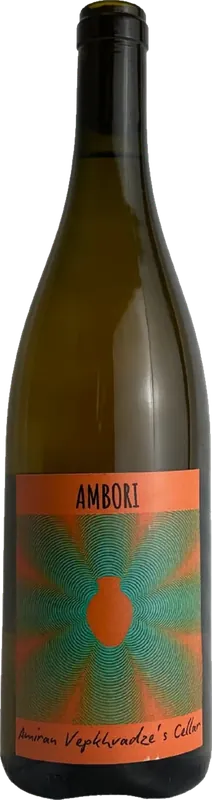
Ambori
Amiran Vepkhvadze Cellar
Imereti
The qvevri method, ageing in qvevri, 12% alcohol. Region of Imereti: a amber wine from Tsitska, Krakhuna and Tsolikouri. Produced by Amiran Vepkhvadze Cellar.
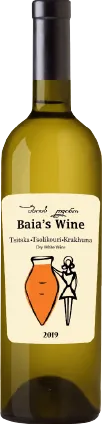
Baia's Wine White
Baia's Wine
Imereti
Produced by Baia's Wine. Region of Imereti: a dry amber wine from Tsitska, Krakhuna and Tsolikouri. The qvevri method, ageing in qvevri. Organic.
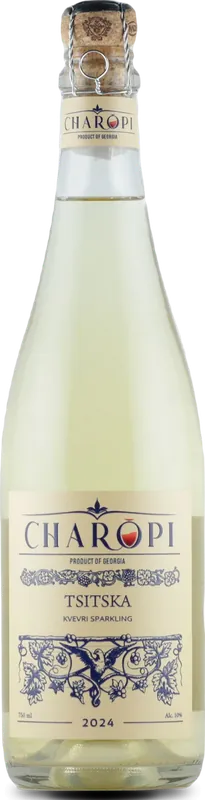
Charopi Tsitska
Vakevisa
Tsitska: a dry white Georgian wine. Produced by Vakevisa.
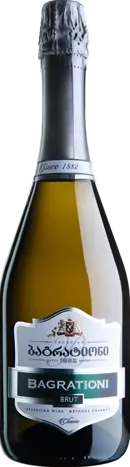
Classic Brut
Bagrationi 1882
Kartli
Region of Kartli: a brut white sparkling wine from Tsitska, Chinuri and Tsolikouri. Made using the European method, aged in a neutral vessel. Produced by Bagrationi 1882.
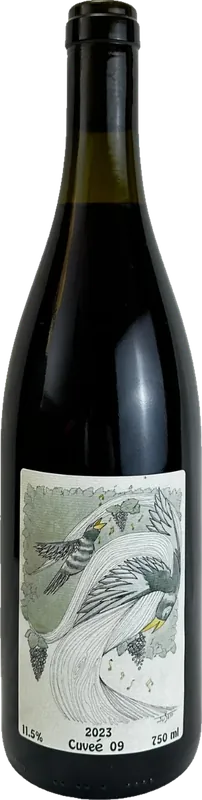
Cuvée 09
Makaridze Winery
Imereti
Produced by Makaridze Winery. Tsitska and Otskhanuri Sapere from Imereti: a dry amber Georgian wine. Made using the traditional qvevri method, aged in a qvevri. Declared: organic, low-sulfur and wild-yeast.
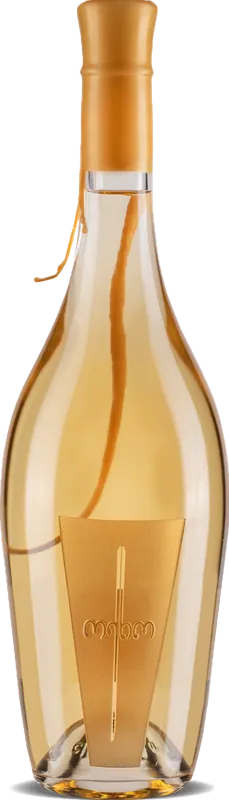
Gold
BG Wines
A semi-sweet white Georgian wine made from Mtsvane Kakhuri, Khikhvi, Tsitska and Tsolikouri. Made using the European method; alcohol 12%. Sources note balanced acidity on the palate. Produced by BG Wines.
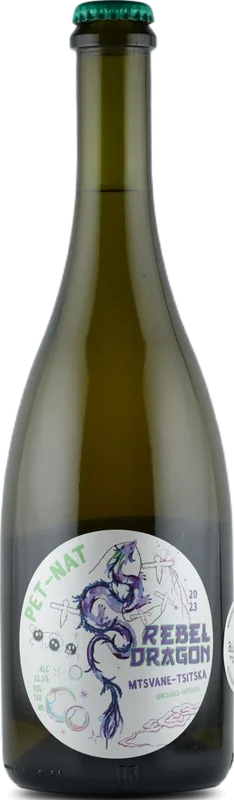
Mtsvane Tsitska Petnat
Rebel Dragon
A white sparkling Georgian wine made from Tsitska and Mtsvane Kakhuri. Produced by Rebel Dragon.
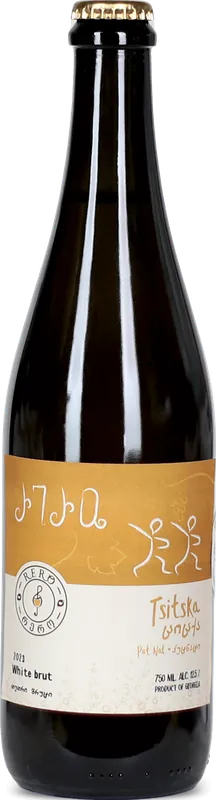
Petnat Tsitska
Rero Winery
Imereti
Produced by Rero Winery. A white sparkling Georgian wine made from Tsitska, region of Imereti. The classic method, 12.5% alcohol. As described by sources: on the nose, citrus.
Where the data comes from
Sources for this page
Description
Facts from ampelographic sources and the country's official registers, in our own words.
Origin
The variety's passport in the Vitis International Variety Catalogue (VIVC).
Vineyard area
Vineyard cadastre 2025, National Wine Agency: plots registered under this variety; plots without an identified variety are not counted.
Wines
Our catalogue: the grape make-up comes from the winery's site or the label.
Found a mistake, a photo of a different variety, or know a better source? Tell us — we'll check and correct it.