რეგიონი
სამეგრელო
სამეგრელო — მეღვინეობის რეგიონი (საქართველო): 205 ჰა ვენახი (ვენახების კადასტრი, 2025); ქვეყნის 32 აპელასიონიდან 1 ამ რეგიონშია.
- ღვინო კატალოგში
- 19
- ვენახები, ჰა · კადასტრი 2025
- 205
ლანდშაფტი
საიდან მოდის ეს ღვინო.
North-western Georgia between the Enguri and the Tskhenistskali: the Colchis lowland and the foothills of the Egrisi range, humid Black Sea subtropics. Viticulture sits in the foothill belt — the municipalities of Martvili, Chkhorotsku, Tsalenjikha, Abasha, Senaki, Zugdidi and Khobi; the coastal plain is too wet for vines.
The signature variety is Ojaleshi — Mingrelian for “growing on a tree”: for centuries it was trained maglari, up an alder or a persimmon, and picked late, in November. Thin-skinned and late-ripening, it gives light-bodied, high-acid wine; in Soviet times almost all of it went into semi-sweet. Alongside it survive the rare Chvitiluri, Koloshi and Dudghushi, counted in single vineyards rather than hectares.
The region has exactly one appellation — Salkhino Ojaleshi, around the village of Salkhino in Martvili. The zone is tiny: the summer residence of the Dadiani princes, where Achille Murat and Salome Dadiani moved Ojaleshi off the trees into rows in the 19th century and began shipping the wine to France; at the 1912 Paris exhibition Salkhino Ojaleshi took gold. Today Ojaleshi is also grown well outside the registered zone — in Imereti, Racha and Kakheti — so the grape on a label says nothing about place, while the name Salkhino does.
რეგიონი რუკაზე უფრო ფართოა, ვიდრე მის შიგნით მდებარე ღვინის მიწები: აპელასიონი რამდენიმე სოფელია და არა მთელი მხარე.
ვენახები კადასტრის მიხედვით
რას აჩვენებს ვენახების რეესტრი.
აღრიცხული ჰექტარი
205
ნაკვეთი
6622
საშუალოდ ნაკვეთზე
0,03 ჰა
კადასტრის წელი
2025
ღვინის ეროვნული სააგენტოს ვენახების კადასტრის რიცხვები. რეესტრი მხოლოდ ციფრებს აქვეყნებს, ნაკვეთების კონტურების გარეშე.
ჯიშების მიხედვით
მთავარი ჯიშების ჰექტრები 205-დან. ნაკვეთები მითითებული ჯიშის გარეშე აქ არ არის დათვლილი.
მუნიციპალიტეტების მიხედვით
მუნიციპალიტეტები, რომლებსაც კადასტრი ამ რეგიონს მიაკუთვნებს, ფართობის მიხედვით.
- მარტვილი87 ჰა
- ზუგდიდი53 ჰა
- ჩხოროწყუ34 ჰა
- ხობი11 ჰა
- წალენჯიხა9 ჰა
- სენაკი6 ჰა
- აბაშა5 ჰა
დარგვის წლის მიხედვით
რეგიონის ჰექტრების წილი ვაზის დარგვის წლის მიხედვით.
- 1990-მდე9%
- 1990–2009 წლები28%
- 2010 წლიდან40%
- წელი მითითებული არ არის23%
წყარო: ვენახების კადასტრი 2025, ღვინის ეროვნული სააგენტო — NSDIნაკვეთები ვენახების რუკაზე
აპელასიონები
რეგიონის სამეგრელო აპელასიონები და ღვინოები თითოეულში.
რეგიონში სამეგრელო ერთი აპელასიონია. რისკის შენიშვნა, სადაც არის, თავად აპელასიონის ჩანაწერიდანაა.
სალხინოს ოჯალეში
PDOავთენტურობის მომატებული რისკისალხინოს ოჯალეში — ბუნებრივად ნახევრადტკბილი ან მშრალი წითელი PDO, დამზადებული ოჯალეშის ჯიშისგან დასავლეთ საქართველოში, სამეგრელოში, მარტვილთან ახლოს მდებარე მცირე სალხინოს მიკროზონაში. ჯიში თითქმის განადგურდა ფილოქსერისა და ნაცრისგან, ისტორიული ზონა ძალიან მცირეა (პუბლიკაციებში მოხსენიებულია დაახლოებით 16 ჰა 1912 წლისთვის) და წარმოება შეზღუდული რჩება, ხოლო ოჯალეში დღეს უფრო ფართოდაც მოჰყავთ, რეგისტრირებული სალხინოს ზონის გარეთ. რა შეამოწმოთ: დარწმუნდით, რომ მწარმოებელი რეგისტრირებულია სალხინოს/მარტვილის ზონაში და იქ ფლობს ან იძენს ოჯალეშის ყურძენს. შენიშვნა რეგიონზე: ადმინისტრაციულად ეს სამეგრელოა, აქ მიკუთვნებულია უახლოეს ხელმისაწვდომ დასავლურ რეგიონს (imereti).
3 ღვინო კატალოგშიაპელასიონის გახსნა
რეგიონის ღონისძიებები
რა ხდება ადგილზე.
კალენდარში ახლა რეგიონში სამეგრელო ღონისძიება არ არის.
ყველა ღონისძიებასამეგრელო: რეგიონის ღვინოები
რა არის კატალოგში.
19 ღვინო რეგიონიდან სამეგრელო. ფასი ბარათზე — მედიანაა მაღაზიების მიხედვით, მედიანის არარსებობისას კი უმცირესი ფასი; ეს ცნობაა და არა შეფასება.
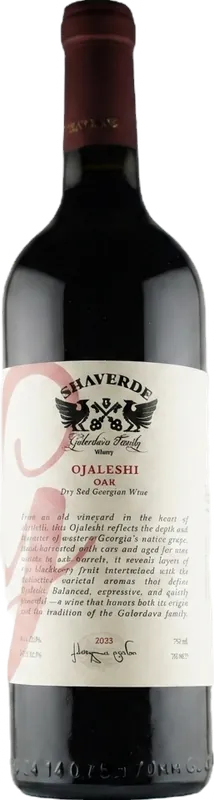
Ojaleshi Oak
Gulordava Family Winery
სამეგრელო
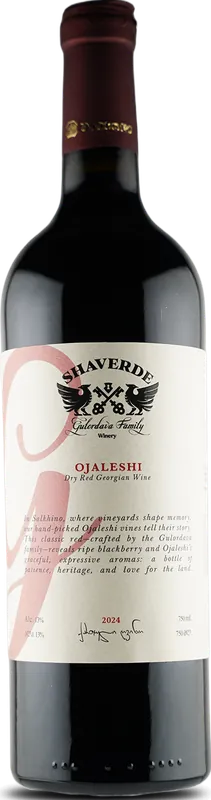
Ojaleshi
Gulordava Family Winery
სამეგრელო
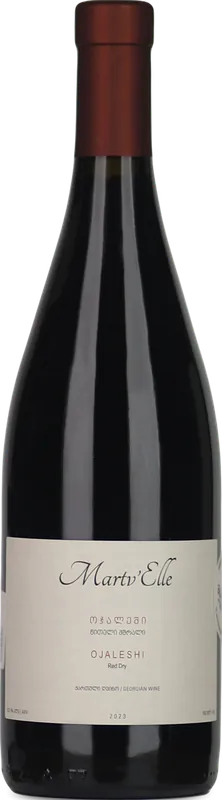
Ojaleshi
Martv'Elle
სამეგრელო
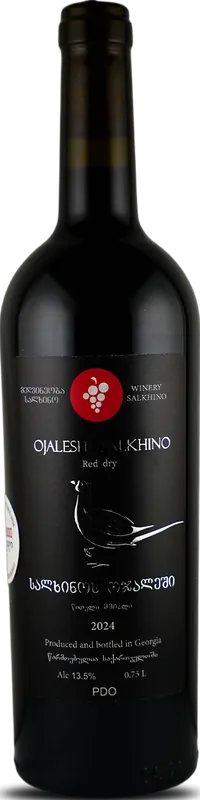
Salkhino Ojaleshi
Winery Salkhino
სამეგრელო
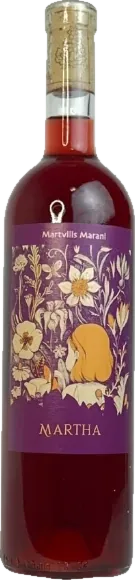
Marta
Martvilis Marani
სამეგრელო
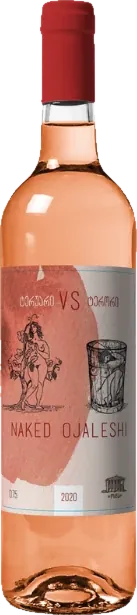
Naked Ojaleshi
Oda Family Winery
სამეგრელო
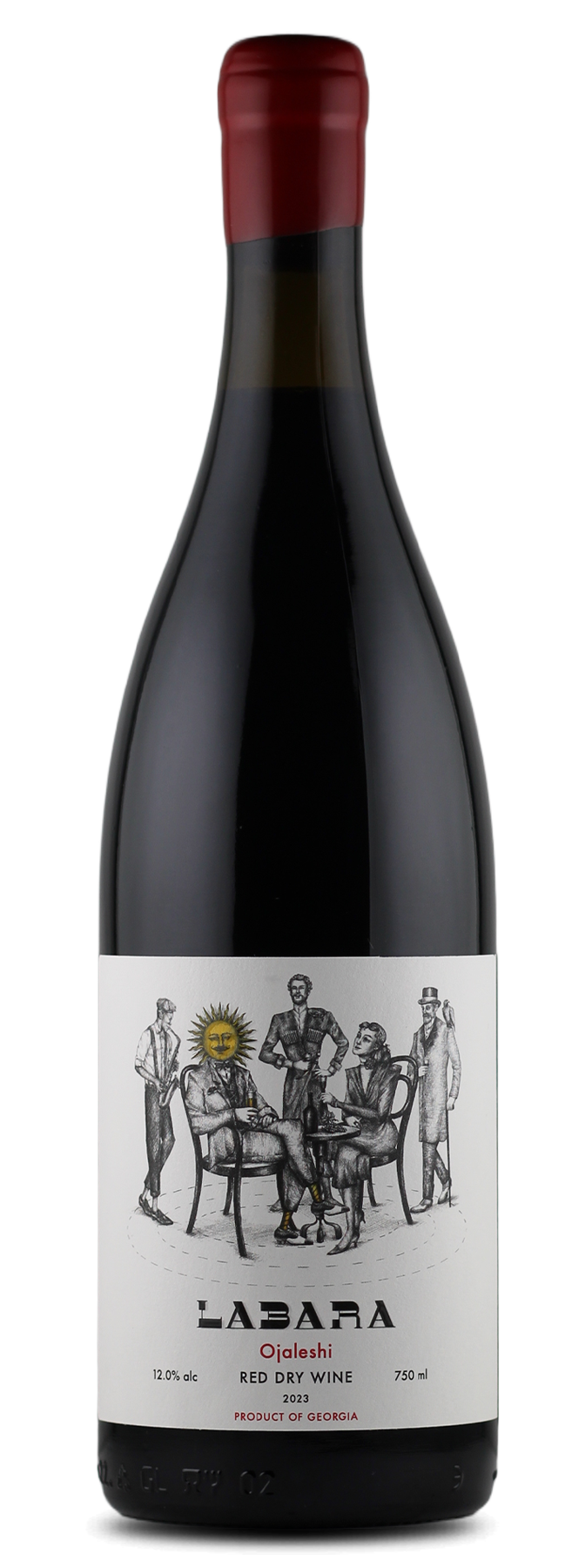
Ojaleshi
Labara
სამეგრელო
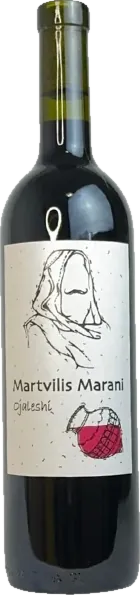
Ojaleshi
Martvilis Marani
სამეგრელო
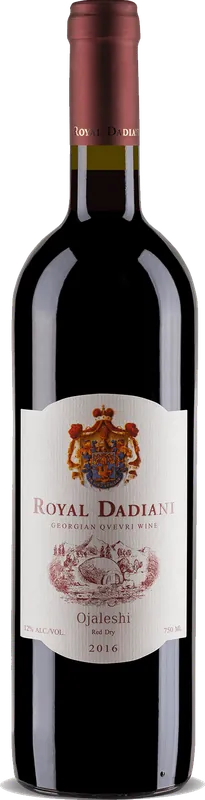
Ojaleshi
Royal Dadiani
სამეგრელო
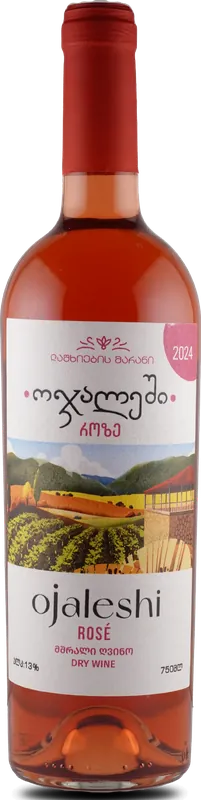
Ojaleshi Rose
Paata Lashkhia's Cellar
სამეგრელო

Ojaleshi Salkhino
Lionidzis Zvari
სამეგრელო
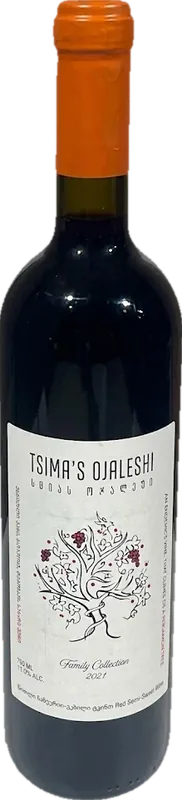
Ojaleshi Semi-Sweet
Otar Nachkebia
სამეგრელო
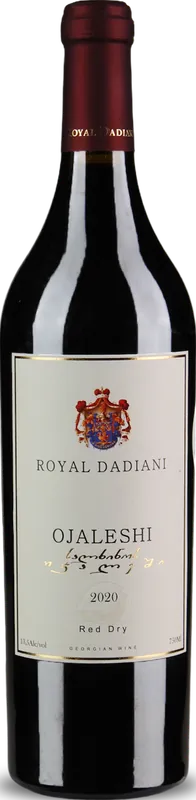
Salkhino Ojaleshi
Royal Dadiani
სამეგრელო
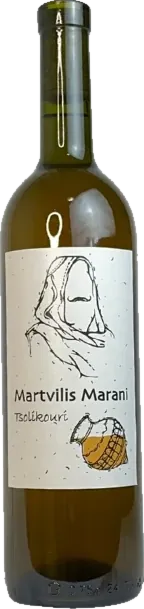
Tsolikouri
Martvilis Marani
სამეგრელო
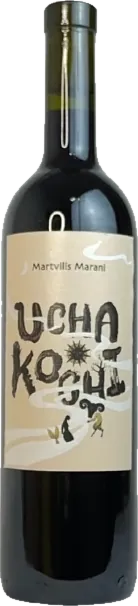
Ucha Kochi
Martvilis Marani
სამეგრელო
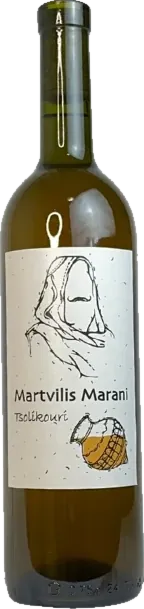
Uchacho Tsolikouri
Martvilis Marani
სამეგრელო
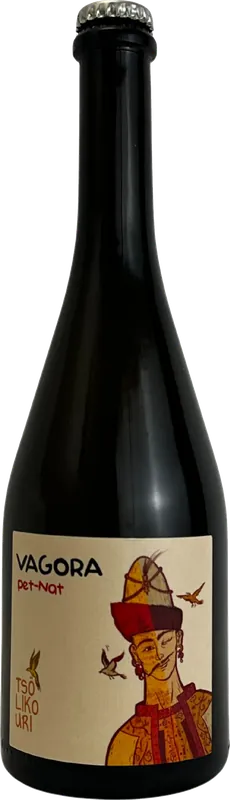
Vagora Pet-Nat
Martvilis Marani
სამეგრელო
Ojaleshi
Taleri Terraces
სამეგრელო
Salkhino Ojaleshi
Klimenti Kekutia Wine Estate
სამეგრელო
ყველა 19 ღვინო ამ რეგიონიდან
კატალოგში იგივე ღვინოები შეგიძლიათ გაფილტროთ ფერით, სიტკბოთი, ფასით და სხვა.
წყაროები და სხვა რეგიონები
საიდან არის ეს გვერდი.
ჩვენი კატალოგი
ღვინოები, აპელასიონები და ღონისძიებები — კატალოგის გამოქვეყნებული ჩანაწერებით.
რეგიონის აღწერა
დასახელებების რეესტრი
რომელი აპელასიონები არსებობს და რომელ რეგიონს ეკუთვნის თითოეული.
ვენახების კადასტრი 2025 — ღვინის ეროვნული სააგენტო, NSDI
ჰექტრები, ნაკვეთები, ჯიშები, მუნიციპალიტეტები და დარგვის წლები.
იპოვეთ შეცდომა გვერდზე? მოგვწერეთ: ყოველ შესწორებას წყაროსთან ვამოწმებთ.