Region profile
Samegrelo
Samegrelo is a wine region of Georgia: 205 ha of vineyards (vineyard cadastre, 2025) and 1 of the country's 32 appellations.
- Wines in the catalogue
- 19
- Vineyards, ha · cadastre 2025
- 205
Landscape
Where the wine comes from.
North-western Georgia between the Enguri and the Tskhenistskali: the Colchis lowland and the foothills of the Egrisi range, humid Black Sea subtropics. Viticulture sits in the foothill belt — the municipalities of Martvili, Chkhorotsku, Tsalenjikha, Abasha, Senaki, Zugdidi and Khobi; the coastal plain is too wet for vines.
The signature variety is Ojaleshi — Mingrelian for “growing on a tree”: for centuries it was trained maglari, up an alder or a persimmon, and picked late, in November. Thin-skinned and late-ripening, it gives light-bodied, high-acid wine; in Soviet times almost all of it went into semi-sweet. Alongside it survive the rare Chvitiluri, Koloshi and Dudghushi, counted in single vineyards rather than hectares.
The region has exactly one appellation — Salkhino Ojaleshi, around the village of Salkhino in Martvili. The zone is tiny: the summer residence of the Dadiani princes, where Achille Murat and Salome Dadiani moved Ojaleshi off the trees into rows in the 19th century and began shipping the wine to France; at the 1912 Paris exhibition Salkhino Ojaleshi took gold. Today Ojaleshi is also grown well outside the registered zone — in Imereti, Racha and Kakheti — so the grape on a label says nothing about place, while the name Salkhino does.
A region on the map is wider than the wine country inside it: an appellation covers a few villages, not a whole province.
Vineyards by cadastre
What the vineyard register reports.
Hectares on record
205
Plots
6,622
Average per plot
0.03 ha
Cadastre year
2025
Figures from the National Wine Agency's vineyard cadastre. The register publishes numbers only, not plot outlines.
By variety
Hectares under the main varieties, out of 205. Plots without a recorded variety are not counted here.
- Ojaleshi69 ha
- Tsolikouri57 ha
- Isabella (adessa)10 ha
- Tsitska6 ha
- Krakhuna3 ha
- Tsulukidzis Tetra1 ha
By municipality
The municipalities the cadastre places in this region, by area.
- Martvili87 ha
- Zugdidi53 ha
- Chkhorotsqu34 ha
- Khobi11 ha
- Tsalenjikha9 ha
- Senaki6 ha
- Abasha5 ha
By planting year
Share of the region's hectares by the year the vines were planted.
- Before 19909%
- 1990–200928%
- Since 201040%
- Year not recorded23%
Source: vineyard cadastre 2025, National Wine Agency — NSDIPlots on the vineyard map
Appellations
The appellations of Samegrelo, and the wines in each.
One appellation lies in Samegrelo. Where there is a risk note, it comes from the appellation's own record.
Salkhino Ojaleshi
PDOElevated authenticity riskSalkhino Ojaleshi is a naturally semi-sweet to dry red PDO made from the Ojaleshi grape in the small Salkhino micro-zone around Martvili in Samegrelo, western Georgia. The variety was nearly wiped out by phylloxera and mildew, the historic zone is very small (published accounts cite about 16 ha by 1912) and production remains limited, while Ojaleshi is now also grown more widely outside the registered Salkhino zone. What to check: confirm the producer is registered in the Salkhino / Martvili zone and owns or sources Ojaleshi grapes there. Region note: administratively this is Samegrelo, mapped here to the nearest available western region (imereti).
3 wines in the catalogueOpen the appellation
Events in this region
What is happening on the ground.
No event in Samegrelo in the calendar right now.
All eventsWines from Samegrelo
What the catalogue holds.
19 wines from Samegrelo. The price on a card is the median across shops, or the lowest price where there is no median — a reference, not a rating.
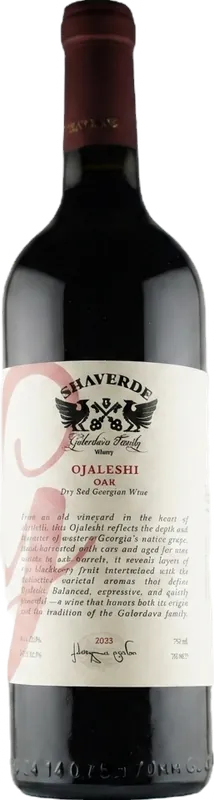
Ojaleshi Oak
Gulordava Family Winery
Samegrelo
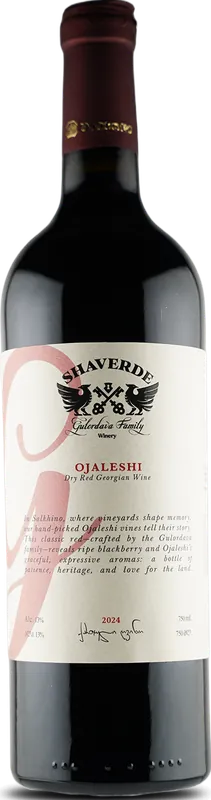
Ojaleshi
Gulordava Family Winery
Samegrelo
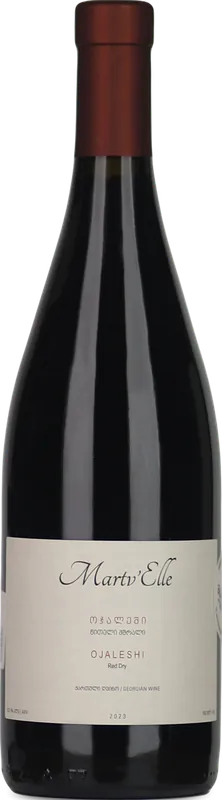
Ojaleshi
Martv'Elle
Samegrelo
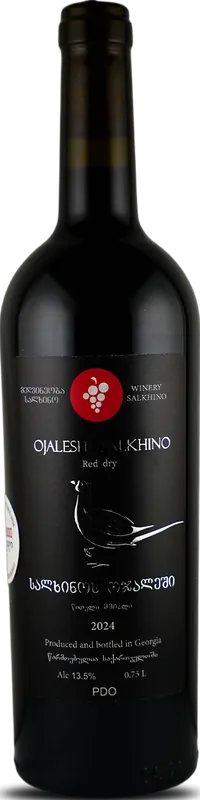
Salkhino Ojaleshi
Winery Salkhino
Samegrelo
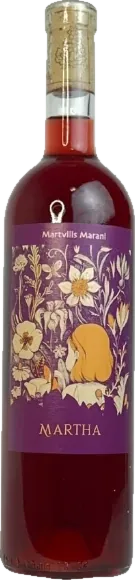
Marta
Martvilis Marani
Samegrelo
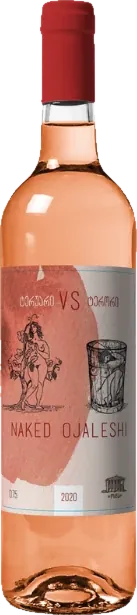
Naked Ojaleshi
Oda Family Winery
Samegrelo
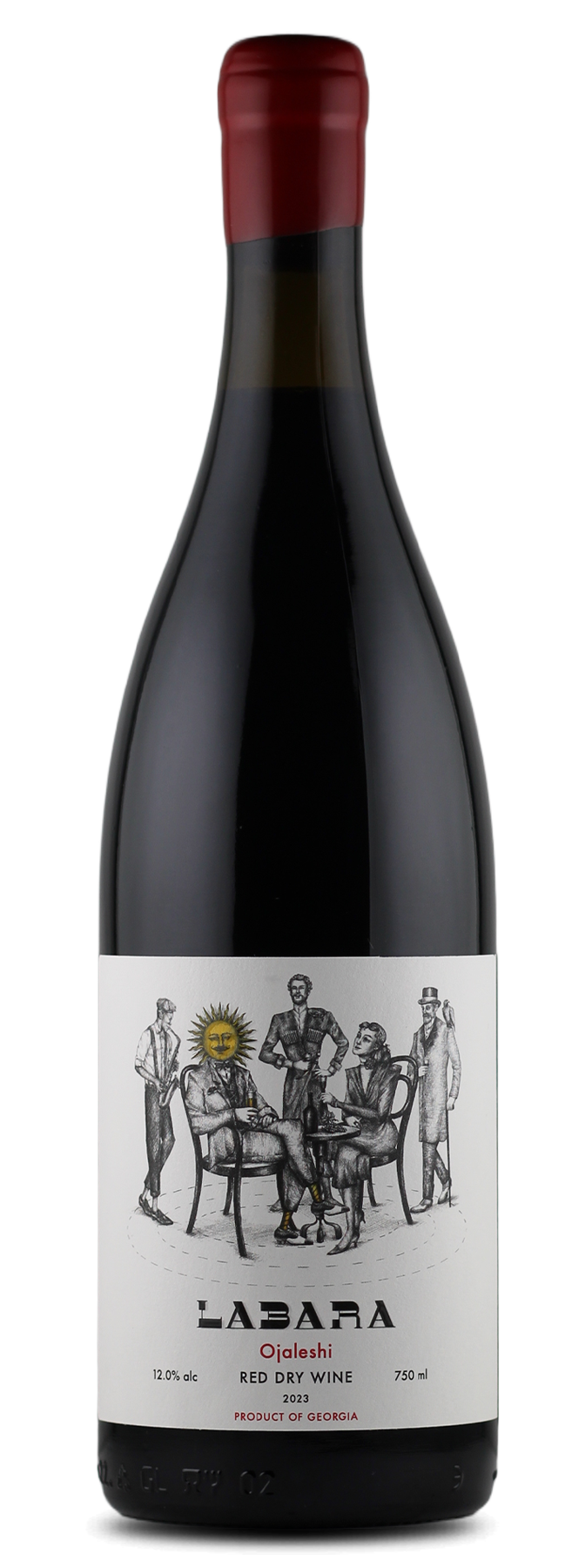
Ojaleshi
Labara
Samegrelo
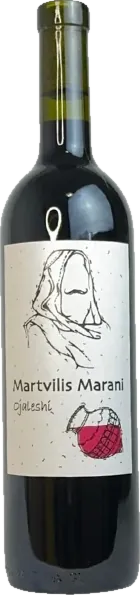
Ojaleshi
Martvilis Marani
Samegrelo
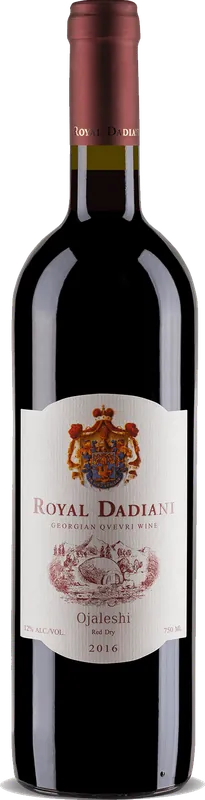
Ojaleshi
Royal Dadiani
Samegrelo
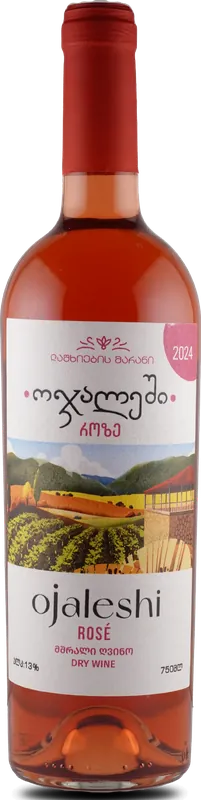
Ojaleshi Rose
Paata Lashkhia's Cellar
Samegrelo

Ojaleshi Salkhino
Lionidzis Zvari
Samegrelo
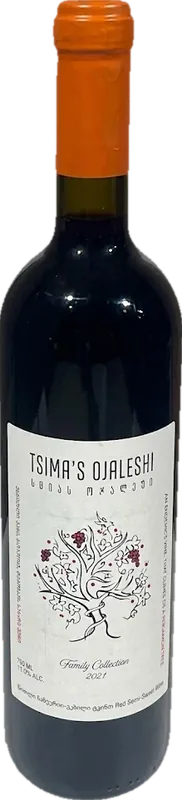
Ojaleshi Semi-Sweet
Otar Nachkebia
Samegrelo
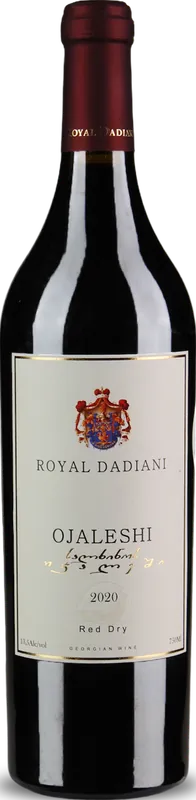
Salkhino Ojaleshi
Royal Dadiani
Samegrelo
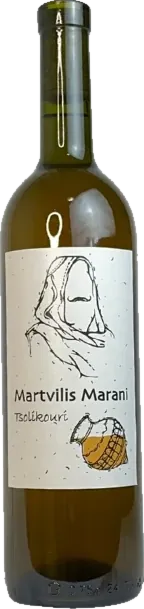
Tsolikouri
Martvilis Marani
Samegrelo
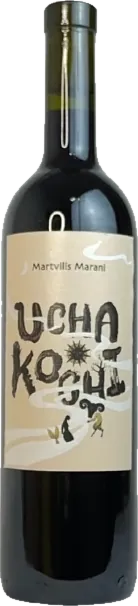
Ucha Kochi
Martvilis Marani
Samegrelo
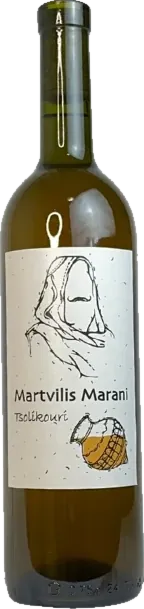
Uchacho Tsolikouri
Martvilis Marani
Samegrelo
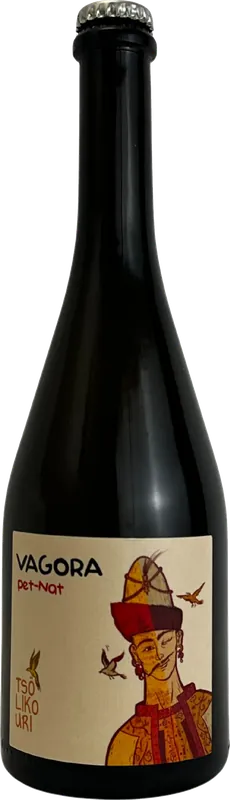
Vagora Pet-Nat
Martvilis Marani
Samegrelo
Ojaleshi
Taleri Terraces
Samegrelo
Salkhino Ojaleshi
Klimenti Kekutia Wine Estate
Samegrelo
All 19 wines from this region
In the catalogue the same wines can be filtered by colour, sweetness, price and more.
Sources and other regions
Where this page comes from.
Our own catalogue
Wines, appellations and events, counted off the catalogue's published records.
Region description
Appellation register
Which appellations exist and which region each belongs to.
Vineyard cadastre 2025 — National Wine Agency, NSDI
Hectares, plots, varieties, municipalities and planting years.
Found a mistake on this page? Tell us: we check every correction against the source.